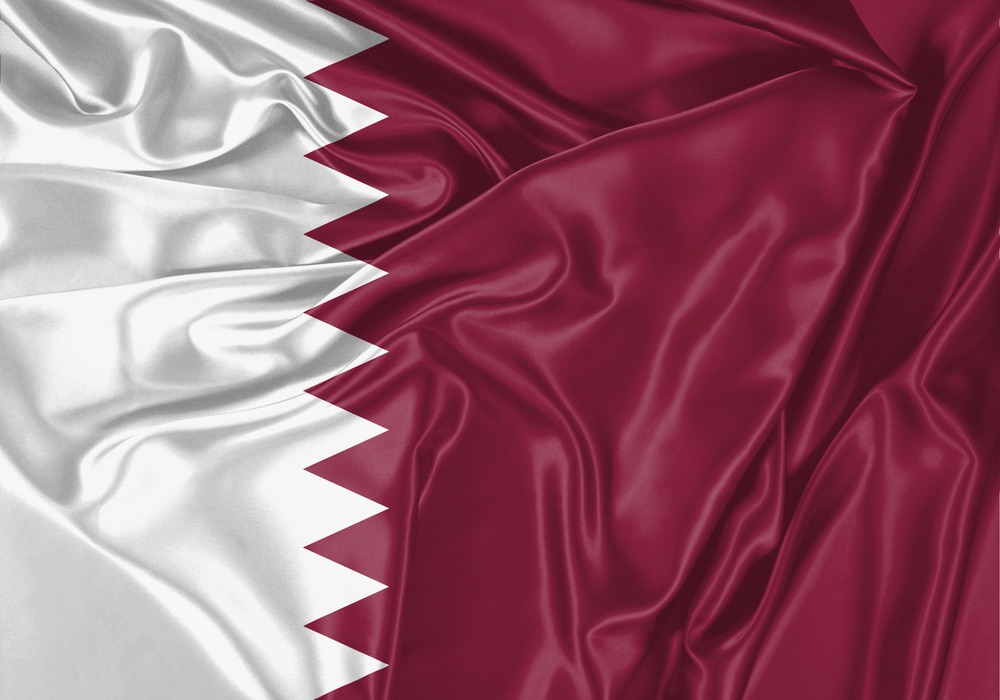
Official Name: Qatar
Established: 18 December 1878 (Qatar National Day) / 3 September 1971 (Independence from United Kingdom)
Population: 3,214,609 (2025 estimate)
Country Size: 11,581 square kms
Religion: 65.5% Islam (official religion), 15.1% Hinduism, 14.2% Christian
Language: Arabic
Currency: Qatari riyal
Capital: Doha
Order of Visit: Ninety First
First Visit: 21 November 2024 (planned)
Last Visit: 24 November 2024 (planned)
Duration: 4 Days
Expected Highlights: Exploring Doha, Boat Cruise, Desert Safari, Stargazing
Cities: Doha
Qatar Journal Entry
First Published 18 May 2026 | Updated <Not Yet>
Location and Geography
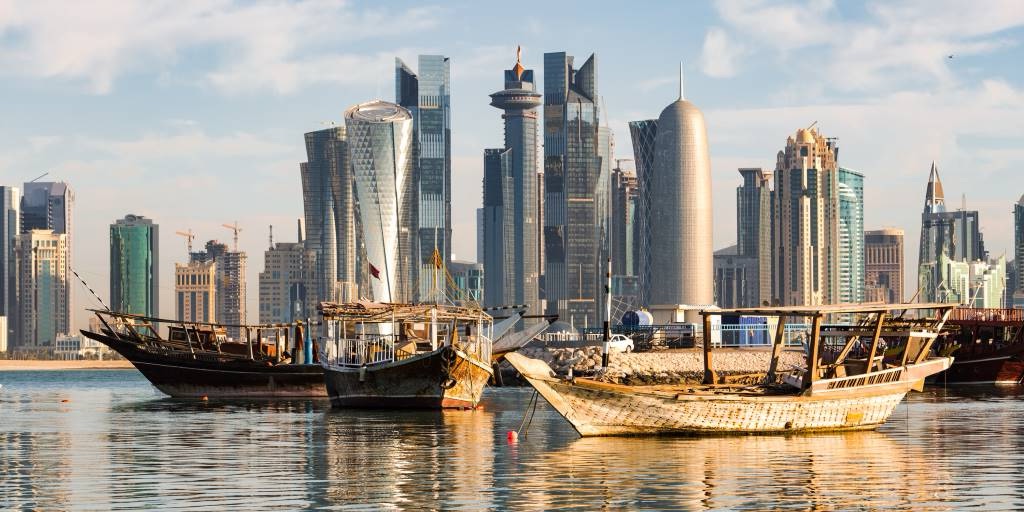
Qatar is located in West Asia. It occupies the Qatar Peninsula on the north-eastern coast of the Arabian Peninsula in the Middle East. Qatar shares a land border with Saudi Arabia to the south, with the rest of its territory surrounded by the Persian Gulf. The Gulf of Bahrain separates Qatar from nearby Bahrain. Of the population of 3.2 million only around 340,000 were Qatari citizens, with foreigners making up a vast majority making this a very unusual country.
Qatar has a subtropical desert climate with year-round sunshine. It has extremely hot, dry, and humid summers from June to September, and mild, pleasant winters from November to February.
History and Culture
Human habitation in Qatar dates back to 50,000 years ago. Settlements and tools dating back to the Stone Age have been unearthed in the peninsula.
In AD 224, the Sasanian Empire gained control over the territories surrounding the Persian Gulf.
Under the Sasanid reign Christianity was introduced. Monasteries were constructed and further settlements were founded.
In 628, the Islamic prophet Muhammad sent a Muslim envoy to the Sasanian Empire requesting their subjects accept Islam which was accepted and accordingly most of the Arab tribes in the region converted to Islam. In the middle of the century, the Muslim conquest of Persia resulted in the fall of the Sasanian Empire.
In the 8th century, Qatar benefited from its commercially strategic position in the Persian Gulf and went on to become a centre of pearl trading. Ships voyaging from Basra to India and China would make stops in Qatar’s ports during this period. Chinese porcelain, West African coins, and artefacts from Thailand have been discovered in Qatar.
Much of eastern Arabia was controlled by the Usfurids in 1253, but control of the region was seized by the prince of Ormus in 1320.
In 1515, Manuel I of Portugal vassalized the Kingdom of Ormus. Portugal went on to seize a significant portion of eastern Arabia in 1521.
In 1783, Qatar-based Bani Utbah clans and allied Arab tribes invaded and annexed Bahrain from the Persians. The Al Khalifa imposed their authority over Bahrain and retained their jurisdiction over Zubarah (in Qatar).
British Political Resident, Colonel Lewis Pelly imposed a settlement in 1868 between Bahrain and Qatar which recognised the distinctness of Qatar from Bahrain and explicitly acknowledged the position of Mohammed bin Thani.
Under military and political pressure, the ruling Al Thani tribe submitted to Ottoman rule in 1871. By the Anglo-Ottoman Convention of 1913, the Ottomans agreed to renounce their claim to Qatar and withdraw their garrison from Doha.
Qatar became a British protectorate on 3 November 1916 when the United Kingdom signed a treaty with Sheikh Abdullah bin Jassim Al Thani to bring Qatar under its Trucial System of Administration. The treaty reserved foreign affairs and defence to the United Kingdom but allowed internal autonomy. Oil exports began in 1949, and oil revenues became the country’s main source of revenue.
Under an agreement with the United Kingdom, on 3 September 1971, the “special treaty arrangements” that were “inconsistent with full international responsibility as a sovereign and independent state” were terminated. Ahmad bin Ali was the emir of Qatar. He was deposed on 22 February 1972 by Khalifa bin Hamad.
In 1991, Qatar played a significant role in the Gulf War, particularly during the Battle of Khafji in which Qatari tanks rolled through the streets of the town and provided fire support for the Saudi Arabian National Guard units that were engaging Iraqi Army troops. Qatar allowed coalition troops from Canada to use the country as an airbase to launch aircraft on combat air patrol duty and also permitted air forces from the United States and France to operate in its territories.
Starting from 1996 Qatar experienced a moderate degree of liberalisation, including the launch of the Al Jazeera television station in 1996, the endorsement of women’s suffrage or right to vote in municipal elections in 1999, participation of women in society in 2003, drafting its first written constitution in 2005 and inauguration of a Roman Catholic church in 2008.
What has drawn me to visit Qatar?
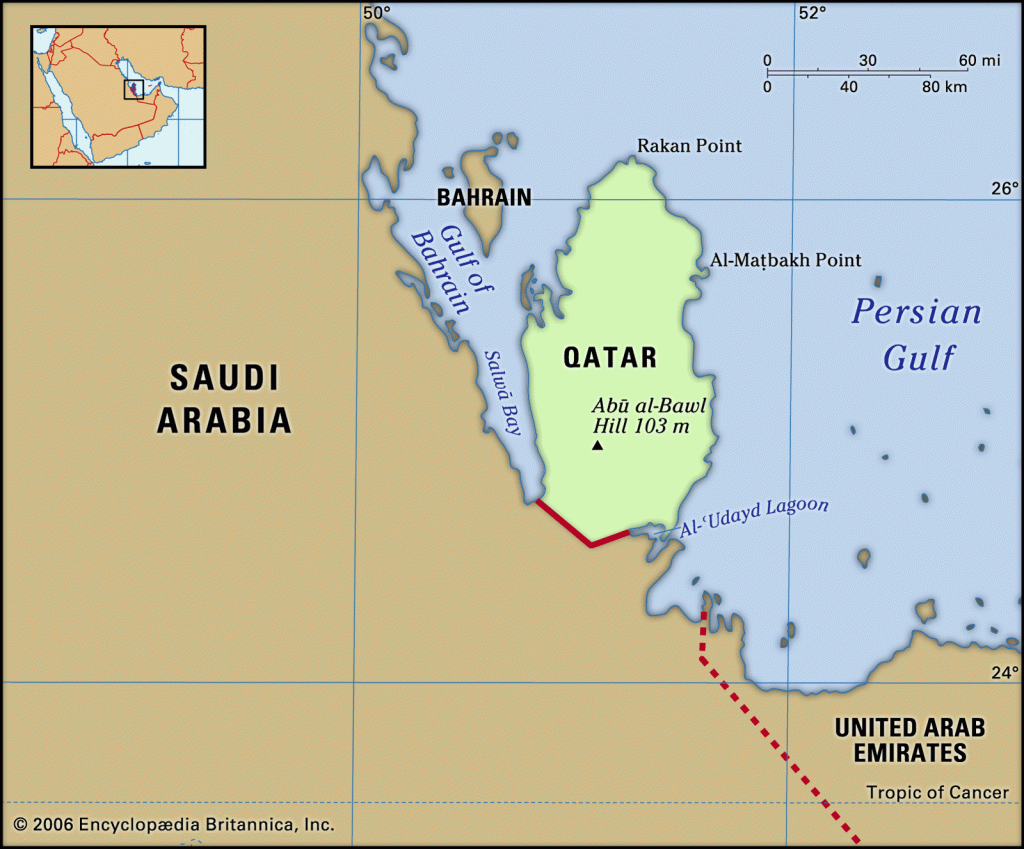
Qatar is a major stopping point for visit to Europe from Australia so spending a few days here instead of just being a transit point made sense. My research has highlighted Qatar has a great place to see ancient Arabic traditions mixed with modern world.
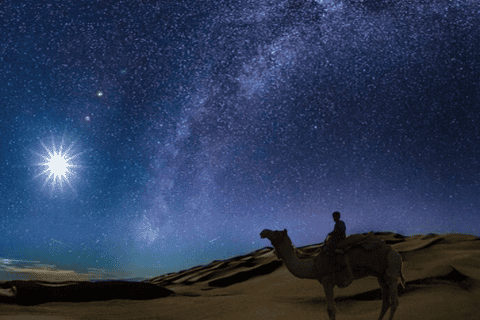
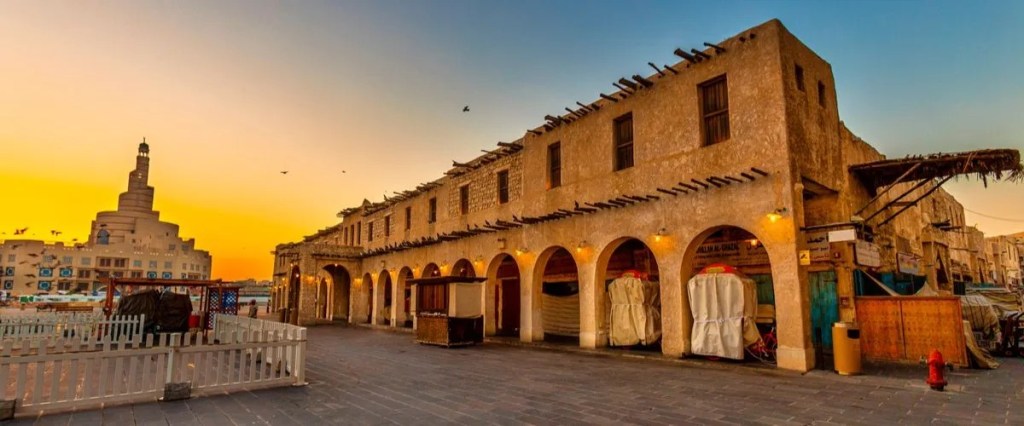
The change for some desert adventures, like camel riding and stargazing are a particular focus. I am also looking forward to visiting local markets in particular Souq Waqif.


Leave a Reply