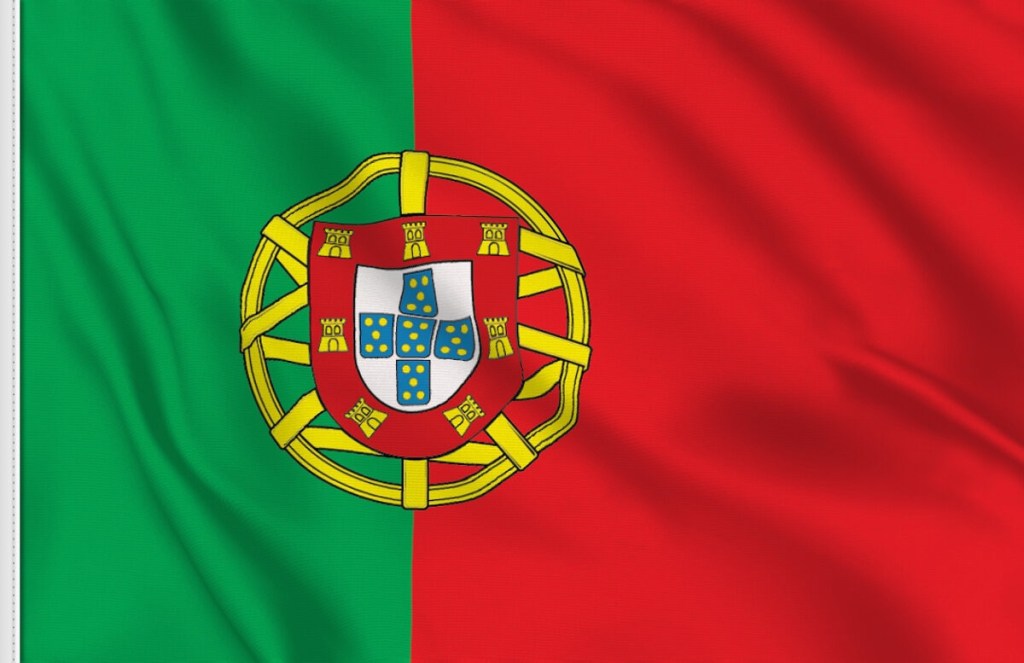
Official Name: Portuguese Republic
Established: 868
Population: 11,424,031 (2025 estimate)
Religion: 80.2% Roman Catholic, 14.1% No religion
Language(s): Portuguese
Capital: Lisbon
Order of Visit: Ninety-Third
First Visit: Yet to Visit
Last Visit: Yet to Visit
Duration: 0 Days
Times Visited: 0 (Planned 2026 visit)
Next Planned Visit: 17 – 21 December 2026 (5 days)
Expected Highlights:
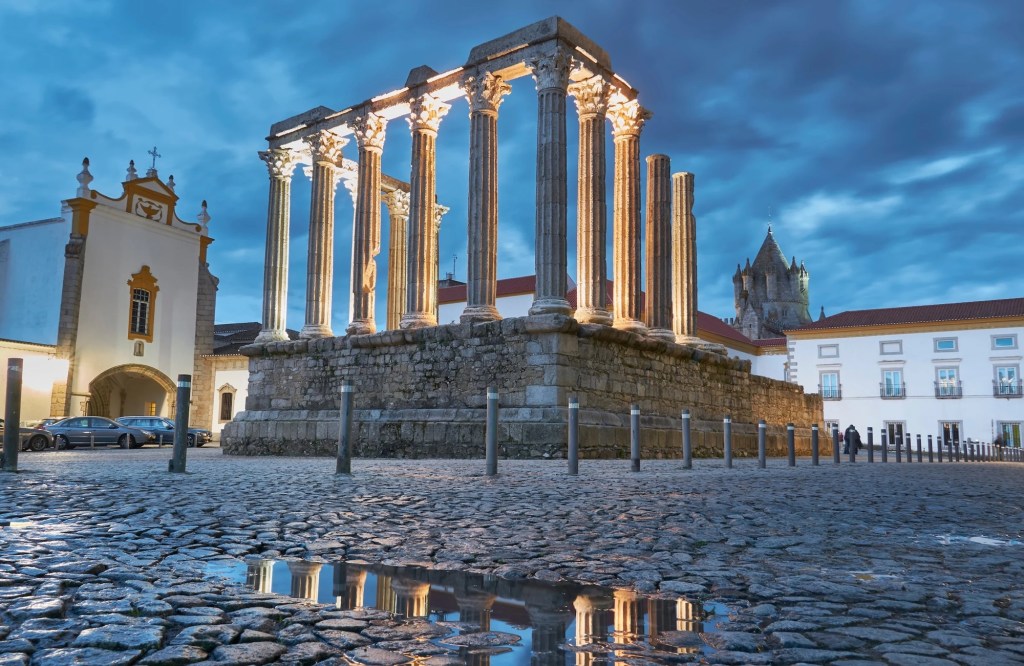
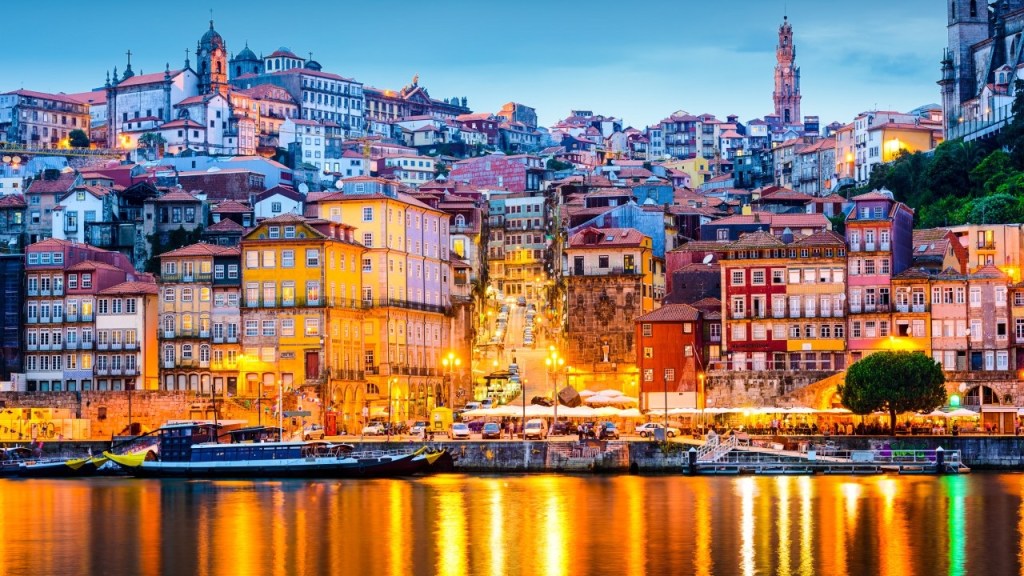
Learning the history of Portugal, trying Portuguese meals, exploring historic buildings, visiting wine cellars, exploring Capela dos Ossos (Chapel of Bones), undertake a Porto Ribeira Cruise, explore Sao Jorge Castle (Moorish castle), explore Praça da Figueira Market, Lisbon Food Tour, explore Évora Cathedral and Roman Temple, explore Olhão Fish Market.
Planned Places to Visit: Porto, Lisbon, Évora, Olhão
Portugal Journal Entries (to be written)
Published: 02 October 2026 | Last Update: 02 October 2026
Location and Geography
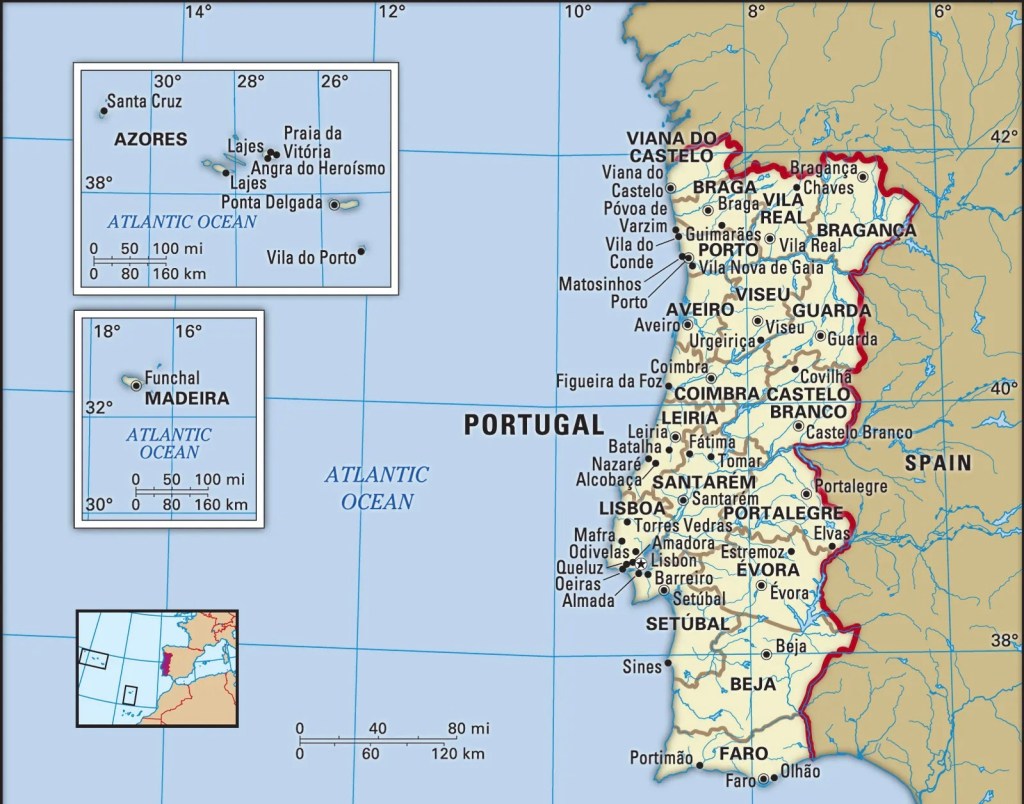
Mainland Portugal is located on the southwestern portion of the Iberian Peninsula and bordered by Spain to the north and east. Portugal also includes the archipelagos of Madeira and the Azores in the Atlantic Ocean. Portugal’s land area is 92,225 km2. The climate of mainland Portugal is Mediterranean.
History and Culture
Humans have inhabited the region for approximately 400,000 years, with the earliest signs of settlement in the western Iberian Peninsula dating to between 5500 BC and 5300 BC. After Carthage’s defeat by Rome in the First Punic War, Rome sought new western territories, culminating in the Barcid conquest of the Iberian Peninsula in 237 BC.
In 409, with the decline of the Western Roman Empire, the Iberian Peninsula was invaded by Germanic tribes. Western Iberia was integrated into the Suebian Kingdom, with its capital in or near Braga. The Visigoths defeated the Suebi in 585 and ruled the peninsula until the early 8th century.
In 711, the Iberian Peninsula was invaded from the south by the Umayyad Caliphate, which expanded rapidly, establishing Muslim rule. By 716, present-day mainland Portugal was part of the Muslim Iberian territories known as al-Andalus. The Reconquista was a series of military and cultural campaigns by northern Iberian Christian polities against al-Andalus. Around 1297, the modern-day borders of Portugal were established as a Christian country.
Portugal was the first and the last colonial power in the era of modern European colonialism, and by the mid-16th century it controlled a network of possessions stretching from Lisbon to Japan and Timor through Brazil.
In 1807, Portugal refused Napoleon’s demand to join the Continental System of embargo against the United Kingdom; an invasion led by General Junot followed, and Lisbon was captured in 1807. During the Napoleonic invasions, the Portuguese royal family transferred the court to Rio de Janeiro, in Brazil, making it the capital between 1808 and 1821. British intervention in the Peninsular War helped support Portuguese independence, and all French troops were expelled by 1812.
In 1820, an uprising in Porto sought to establish a constitution for Portugal, forcing King John VI and his court to return to mainland Portugal in 1821.
In 1910, the Monarchy was replaced with a Republic. During World War I, Portugal fought for the Allies. In 1926, the Republic was overthrown, which eventually led to an authoritarian nationalist corporative dictatorship under António de Oliveira Salazar. Portugal remained neutral in World War II.
In 1974, a military coup overthrew the Estado Novo regime and started the Carnation Revolution. This initiated the transition to democracy. In 1986, Portugal joined the European Economic Community (EEC), later the European Union.
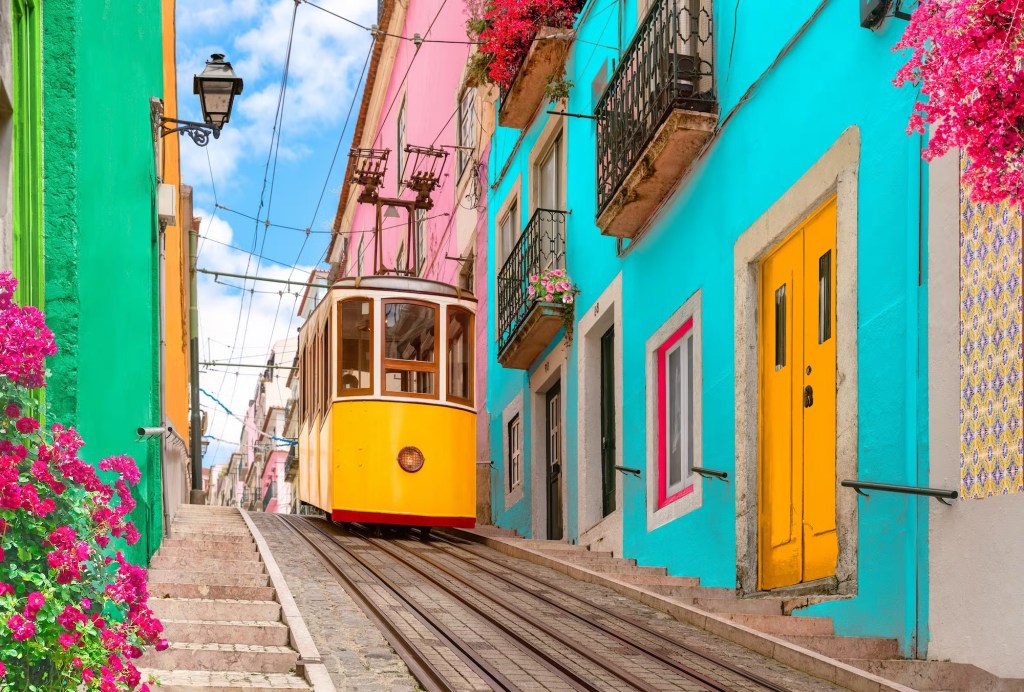
What has drawn me to visit Portugal?
To better understand the history and culture of Portugal, including its interactions with Spain, explore castles, try the local cuisine, and see the coast.


Leave a Reply