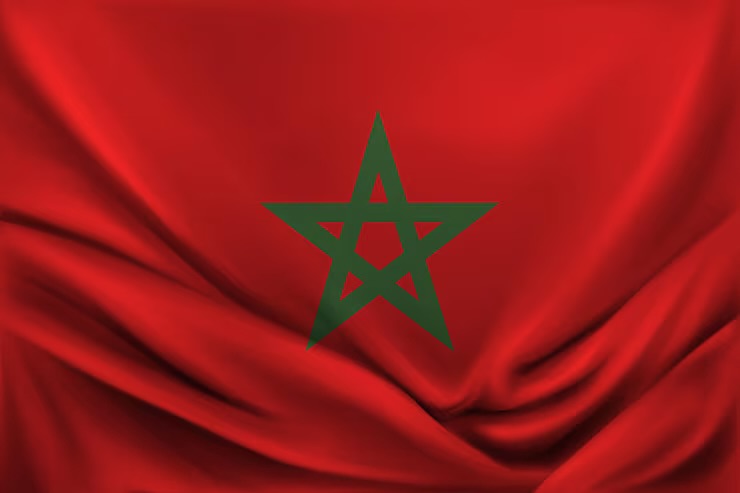
Official Name: Kingdom of Morocco
Established: Idrisid Dynasty 788 / End of protectorate 2 March 1956
Population: 37,254,695 (2026 estimate)
Religion: 99.68 Islam (99.23 Sunni)
Language(s): Arabic
Capital: Rabat
Order of Visit: Ninety-Fourth
First Visit: Yet to Visit
Last Visit: Yet to Visit
Duration: 0 Days
Times Visited: 0 (Planned 2026 visit)
Next Planned Visit: 24 – 30 December 2026 (7 days)
Expected Highlights:
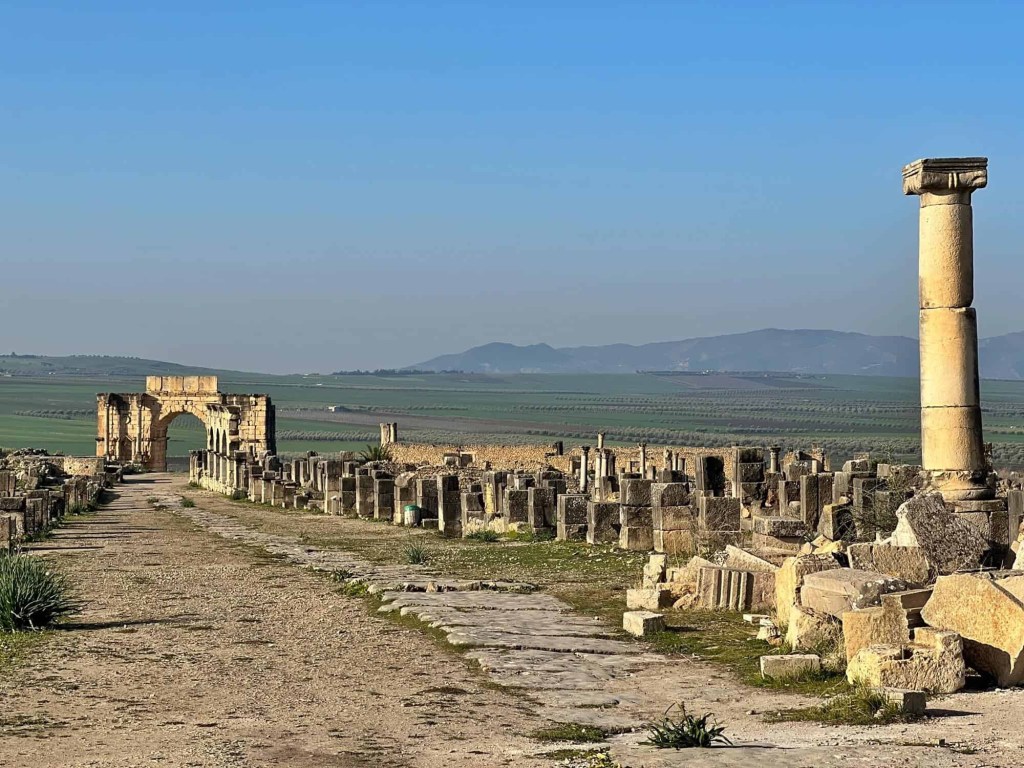
Exploring Volubilis, an excavated Amazigh-Roman city and UNESCO site; hiking the Rif Mountains; exploring Ouazzane for historic sites and cultural understanding; exploring Hispano‑Moorish architecture of Tétouan; enjoying the culinary scene in Fès and the UNESCO World Heritage city; exploring Casablanca, including the Hassan II Mosque and the Atlantic coastline.
Planned Places to Visit: Tangier, Tétouan, Chefchaouen, Ouazzan, Fès, Casablanca
Morocco Journal Entries (to be written)
Published: 02 November 2026 | Last Update: 02 November 2026
Location and Geography
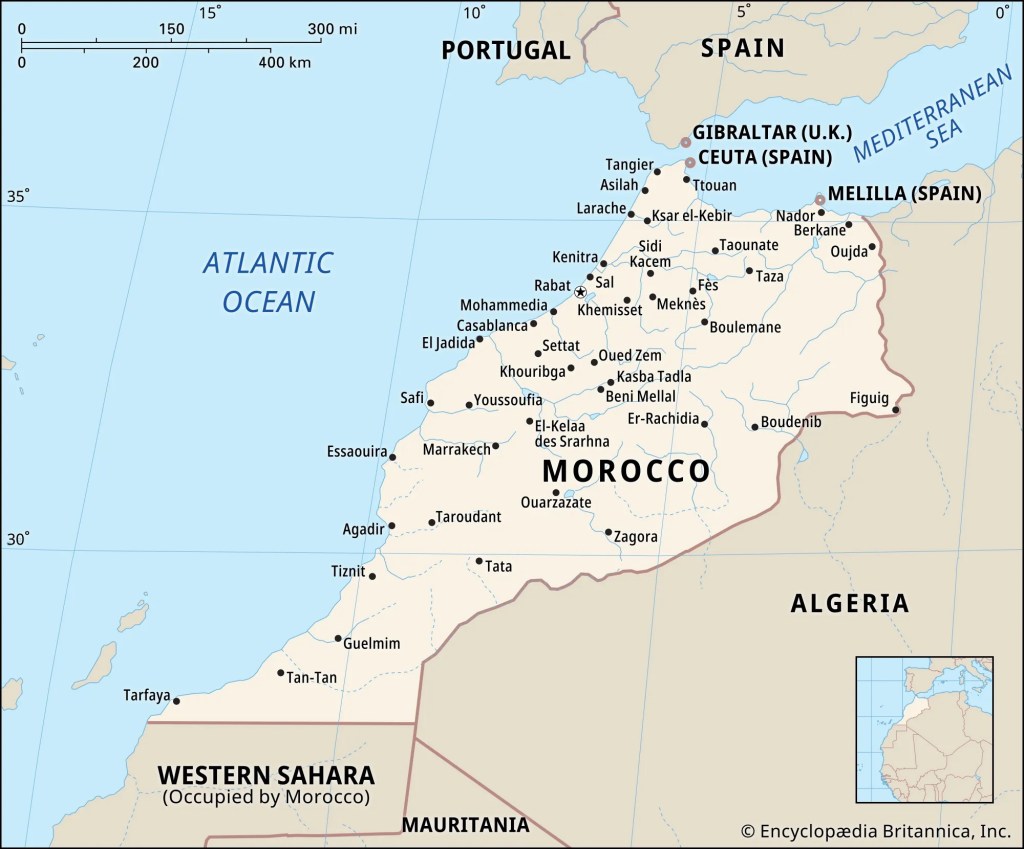
Morocco is located in North Africa. It has coastlines on the Mediterranean Sea (which forms a maritime border with Spain) to the north and the Atlantic Ocean to the west, and land borders with Algeria to the east and the disputed territory of Western Sahara to the south.
Morocco’s total area is about 446,300 km2. A large part of Morocco is mountainous. The Atlas Mountains are located mainly in the centre and the south of the country. The Rif Mountains are located in the north of the country.
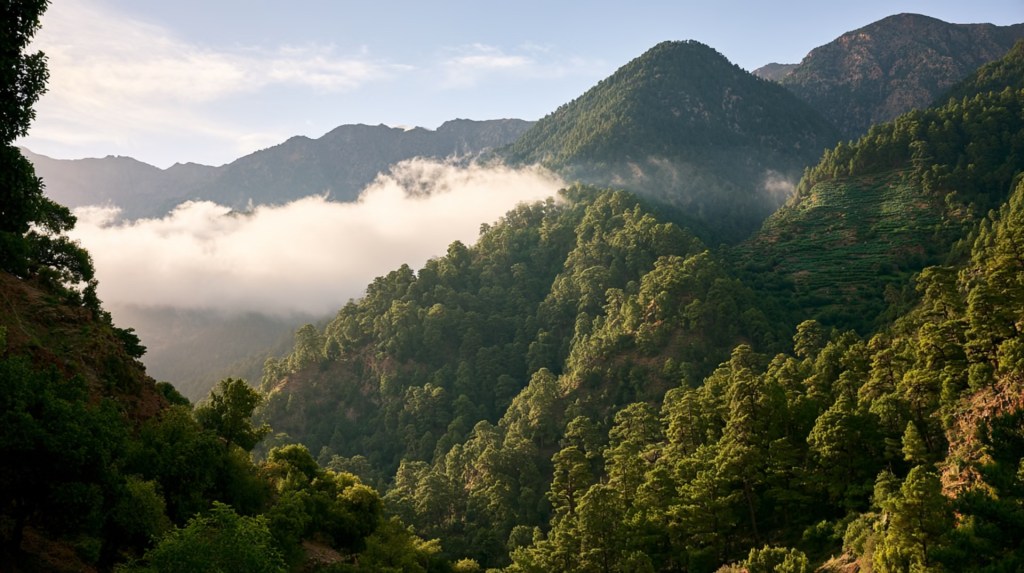
Morocco’s climate is either “hot summer Mediterranean” or “hot desert”.
History and Culture
The area of present-day Morocco has been inhabited since at least Paleolithic times, beginning sometime between 190,000 and 90,000 BC.
Morocco became part of the Northwest African civilisation of ancient Carthage and the Carthaginian Empire from roughly the 6th century BC to the 3rd century BC.
Mauretania (a Kingdom in present-day Morocco) became a client kingdom of the Roman Empire in 33 BC. Emperor Claudius annexed Mauretania directly in 44 AD, making it a Roman province ruled by an imperial governor. Christianity in Morocco appeared during Roman times. In 429 AD, the Roman Empire lost its remaining possessions in the area.
The Muslim conquest of the Maghreb, which had begun in the mid-7th century, was completed under the Umayyad Caliphate by 709. The indigenous Berber peoples adopted Islam, but retained their customary laws. They also paid taxes and tribute to the new Muslim administration. The first independent Muslim state in the area of modern Morocco was the Kingdom of Nekor, an emirate in the Rif Mountains. It was founded by Salih I ibn Mansur in 710.
Idris ibn Abdallah, the founder of the Idrisid dynasty and the great-grandson of Hasan ibn Ali, established it in 788. The Idrisids established Fes as their capital, and Morocco became a centre of Muslim learning and a major regional power. From the 11th century onward, a series of Berber dynasties arose.
In 1549, the region fell to successive Arab dynasties claiming descent from the Islamic prophet Muhammad: first the Saadi dynasty, which ruled from 1549 to 1659, and then the Alawi dynasty, which has remained in power since the 17th century. Morocco faced aggression from Spain in the north, and the Ottoman Empire’s allies pressing westward.
After a period of fragmentation, Morocco was reunited by the Alawi sultan al-Rashid in the late 1660s, who took Fez in 1666 and Marrakesh in 1668. Morocco was the first nation to recognise the fledgling United States of America as an independent nation in 1777. The 1786 Moroccan–American Treaty of Friendship stands as the United States’ oldest unbroken friendship treaty.
In 1884, Spain created a protectorate in the coastal areas of Morocco. In 1904, France and Spain carved out zones of influence in Morocco. In 1943, the Istiqlal Party (Independence Party) was founded to press for independence by lobbying to end colonial rule, primarily at the United Nations. In March 1956, Morocco regained its independence from France as the Kingdom of Morocco. A month later, Spain forsook its protectorate in northern Morocco to the new state but kept its two coastal Mediterranean enclaves (Ceuta and Melilla).
Political reforms in the 1990s resulted in the establishment of a bicameral legislature, with Morocco’s first opposition-led government coming to power. King Hassan II died in 1999 and was succeeded by his son, Mohammed VI. During the 2011–2012 Moroccan protests, thousands of people rallied in Rabat and other cities, calling for political reform and a new constitution that would curb the powers of the king.
What has drawn me to visit Morocco?
I first became aware of Morocco when watching the classic film Casablanca, set in 1942, which explores the unique situation of occupied France (Vichy France) running Morocco effectively for Germany. The movie drove my desire to visit this city.
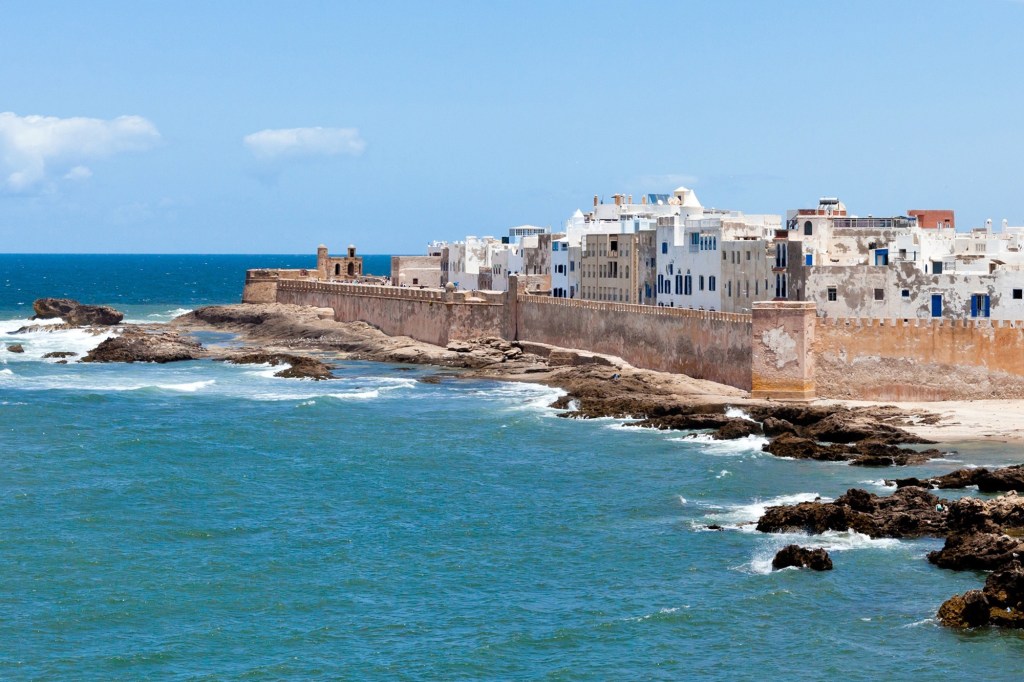
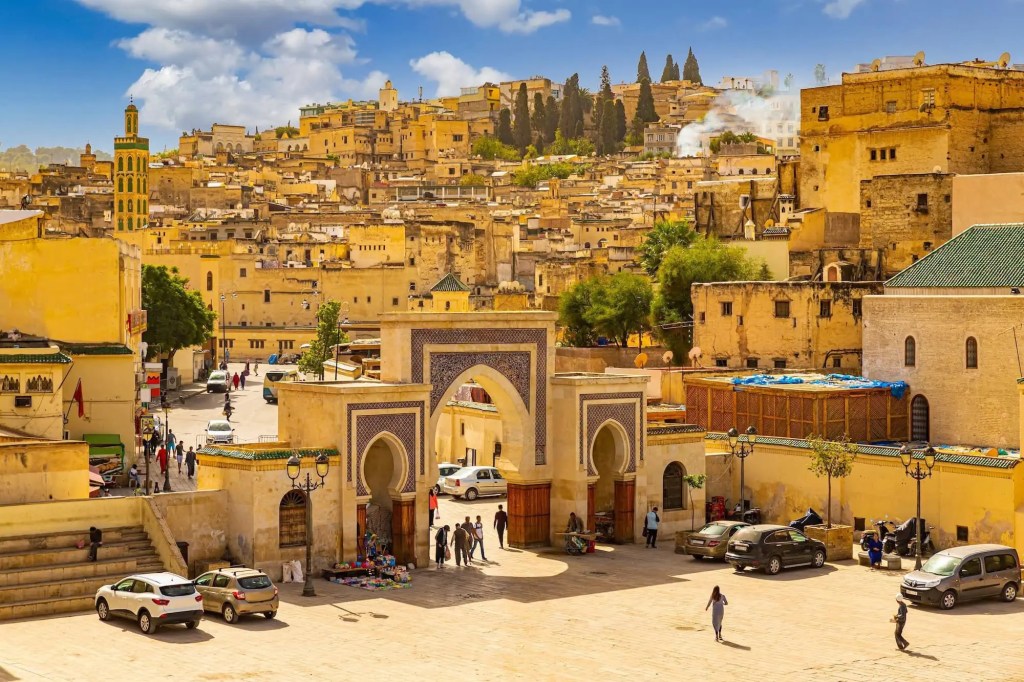
I understand Morocco is a very unique country in Africa and one I want to experience. The natural landscape looks magnificent, the coastline amazing, and the mountains look stunning. I also want to see the distinct architecture and colours of this country while learning about its history and culture.


Leave a Reply