
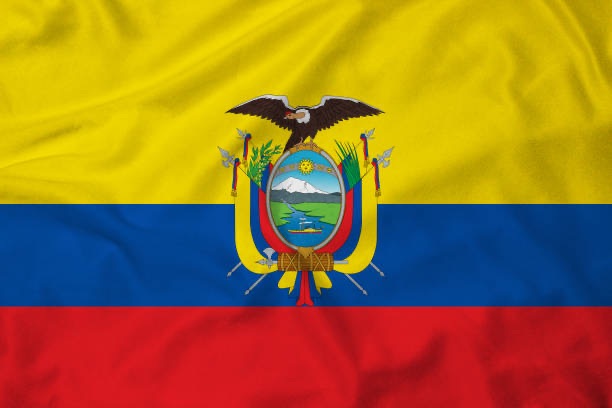
Official Name: Republic of Ecuador
Established: 1822 (Gran Colombia), 1830 (separate country)
Population: 17,483,326 (2023 estimate)
Country Size: 283,561 square kms
Religion: 86.7% Christina (69% Catholic), 12.9% No religion
Language: Spanish
Currency: United States Dollar (USD)
Capital: Quito
Order of Visit: Eighty Fourth
First Visit: 05 December 2024
Last Visit: 22 December 2024
Duration: 18 Days
Highlights:
Ecuador mainland – El San Francisco, Chocolate tasting, Church of the Society of Jesus, Basílica del Voto Nacional, Intiñan Equator Museum, Otavalo Handicrafts Market, Peguche Waterfall, Tahuantinsuyo Weaving Workshop, trying bizcoho and agave nectar, enjoying the views and the hot springs waters at Papallacta, the exceptional Cotopaxi National Park, Hiking around Laguna De Limpiopungo, spotting a condor, exploring Baños, Tarabita waterfall, Jardin Botanico Las Orquideas (Botanical Gardens), Yanacocha Rescue Center, Pailón del Diablo, Manto de la Novia cable car, Hacienda la Ciénega, Hummingbirds Paradise Alambi Reserve, El Quetzal de Mindo (Chocolate Factory), Mariposario Mariposas de Mindo (Butterfly Farm)
Galapagos Islands – Finding Giant tortoises in the wild, the Santa Cruz Island landscape, swimming multiple times with Sea Lions, snorkelling for 6 days straight, hiking rocky terrain coastal ride around San Cristobal Island, exploring beautiful beaches, finding Orcas, hiking on Santa Fe Island, kayaking, hiking on South Plazas Island, hiking around Darwin Bay, swimming with Hammerhead Sharks, hiking around Prince Phillip’s Steps, walking on old lave flows, finding Penguins north of the equator, the red sands of Rábida Island, beautiful pink flamingos, exploring the Charles Darwin Research Station
Cities: Quito, Papallacta, Baños
Galapagos Islands: Puerto Ayora, Española Island, San Cristobal Island, Santa Fé island, South Plazas Island, Genovesa island, Santiago Island, Rábida Island
Ecuador Journal Entries
Published: 26 September 2024 | 24 February 2025
Location and Geography
Ecuador is a country in northwestern South America, bordered by Colombia (visited August 2019) on the north, Peru (visited December 2009 – January 2010) on the east and south, and the Pacific Ocean on the west. It also includes the Galápagos Islands in the Pacific, about 1,000 kilometres west of the mainland.
Ecuador has a total area of 283,571 square km, including the Galápagos Islands. Of this, 276,841 square km is land and 6,720 square kms is water. Ecuador has 2,337 km of coastline and 2,010 km of land boundaries, with Colombia in the north 590 km , and Peru in the east and south 1,420 km.

The climate is largely determined by altitude. It is mild year-round in the mountain valleys, with a humid subtropical climate in coastal areas and rainforest in lowlands. The Pacific coastal area has a tropical climate with a severe rainy season. The climate in the Andean highlands is temperate and relatively dry, and the Amazon basin on the eastern side of the mountains shares the climate of other rainforest zones.
Due to being on the equator Ecuador experiences very little variation in daylight hours during the year.
History and Culture
The territories of modern-day Ecuador were once home to a variety of indigenous peoples that were gradually incorporated into the Inca Empire during the 15th century. The territory was colonized by Spanish Empire during the 16th century.
The indigenous people of the Amazon jungle and coastal Ecuador remained relatively autonomous until the Spanish soldiers and missionaries arrived in force. The Amazonian people and the Cayapas of Coastal Ecuador were the only groups to resist both Inca and Spanish domination, maintaining their languages and cultures well into the 21st century.
New infectious diseases such as smallpox arrived with the Europeans, caused high fatalities among the local population during the first decades of Spanish rule. At the same time, the natives were forced into the encomienda labour system for the Spanish. In 1563, Quito became the seat of a real audiencia (administrative district) of Spain and part of the Viceroyalty of Peru and later the Viceroyalty of New Granada.
After nearly 300 years of Spanish rule, Quito only had a small with a population of 10,000 people. On 10 August 1809, the city’s criollos called for independence from Spain (first among the peoples of Latin America). While it only last 2 months this inspired the independence movement in all the local Spanish regions.
Ecuador gained its independence after Antonio José de Sucre defeated the Spanish Royalist forces at the Battle of Pichincha (May 1822), near Quito. Following the battle, Ecuador joined Simón Bolívar’s Republic of Gran Colombia, also including modern-day Colombia, Venezuela, and Panama. In 1830, Ecuador separated from Gran Colombia and became an independent republic. Two years later, it annexed the Galapagos Islands.
Ecuador abolished slavery in 1851. The descendants of enslaved Ecuadorians are among today’s Afro-Ecuadorian population.
After Ecuador’s separation from Colombia on 13 May 1830, its first President, General Juan José Flores, laid claim to the territory that had belonged to the Real Audiencia of Quito. Ecuador during its long and turbulent history has lost most of its contested territories to each of its more powerful neighbours, such as Colombia in 1832 and 1916, Brazil in 1904 through a series of peaceful treaties, and Peru after a short war in which the Protocol of Rio de Janeiro was signed in 1942.
In 1972, construction of the Andean pipeline was completed. The pipeline brought oil from the east side of the Andes to the coast, making Ecuador South America’s second largest oil exporter.
In 1978, the city of Quito and the Galápagos Islands were inscribed as UNESCO World Heritage Sites, making the first two properties in the world to become listed sites.
Ecuador adopted the United States dollar on 13 April 2000 as its national currency and on 11 September, the country eliminated the Ecuadorian sucre, in order to stabilize the country’s economy.
What has drawn me to visit Ecuador?
There are two main reasons I’m visiting Ecuador; to experience a small part of the Amazon, and to visit the rich and diverse wildlife Galapagos Islands.
It’s possible when being in the Amazon I’ll get to see some spectacular wildlife viewing, potentially including macaws, toucans (with their big noses), bear, freshwater dolphin, howler monkeys and maybe even a jaguar.
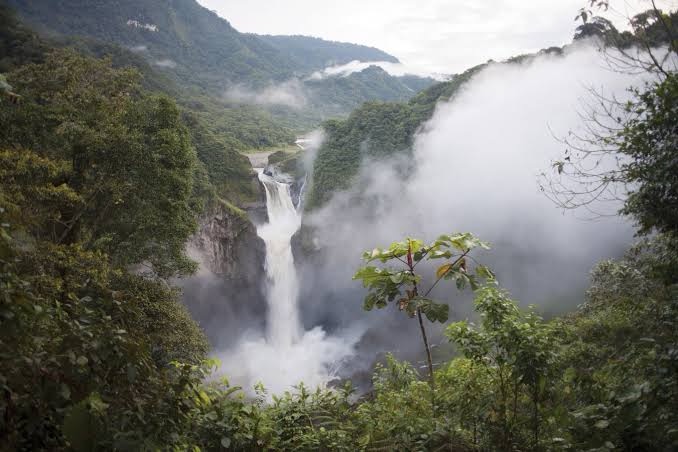
While only a relatively small portion of Amazon basin lies within Ecuador, apparently one third of its biodiversity is found here.
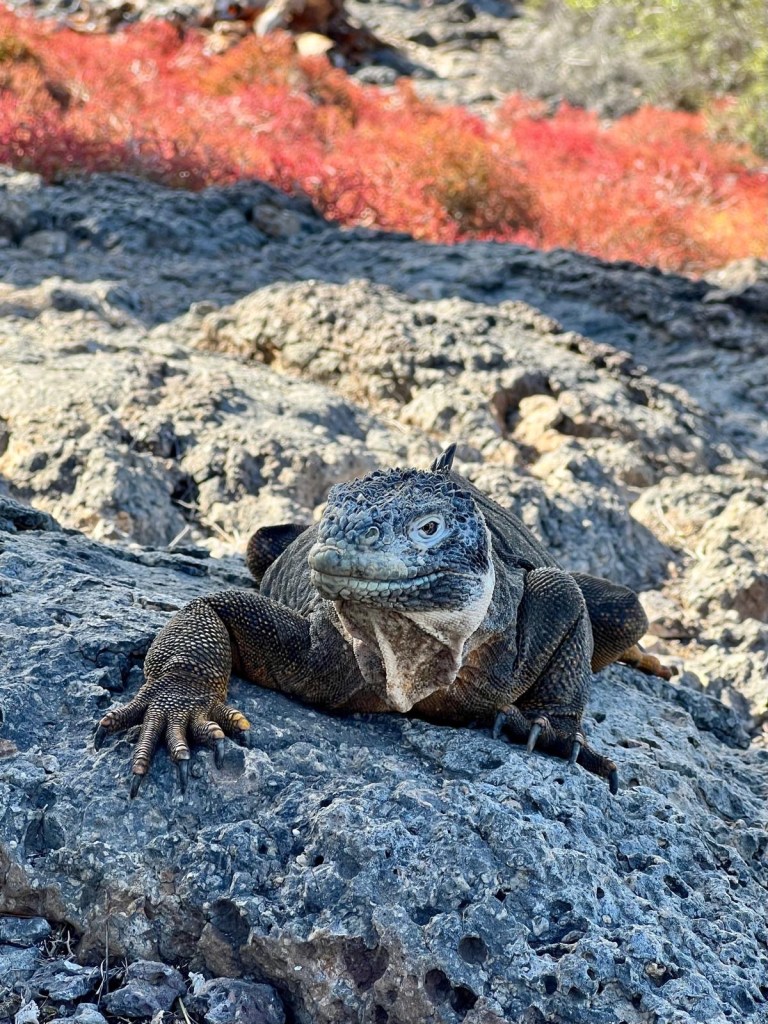
Galapagos Islands is home to giant tortoises, marine iguanas, blue-footed boobies nesting on North Seymour, and 17 other land, marine, and avian species not found anywhere else in the world. Charles Darwin’s trip to the Galapagos Islands in 1835 inspired his book “The Origin of Species” which changed the way we viewed evolution.
I’ll be undertaking this trip with my youngest niece who will have just turned 18 when we visit. We have been planning this trip since she was 8 years old, and I’ve avoided Ecuador and the Amazon despite being in this region for years to make this a special visit. This is a trip mostly about nature but we should also experience some unique cultures as well.
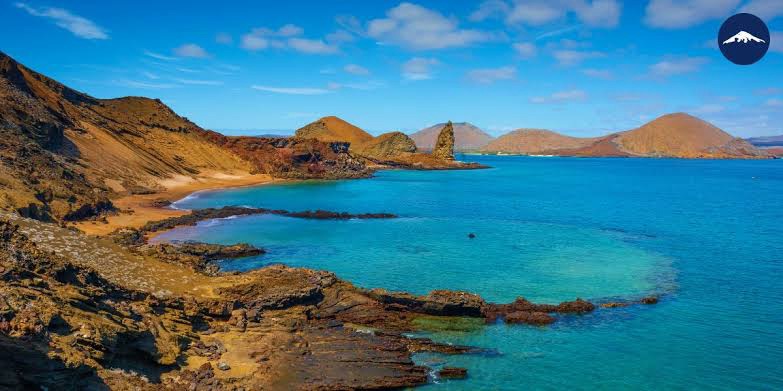
What I experienced in Ecuador
Ecuador is a very beautiful country with friendly people. Ecuador, while a small country, has diverse regions and areas. I got to experience mountain area, the forest area (Amazon) and islands (Galapagos Islands) only missing the coastal region which apparently is a little unsafe at present.
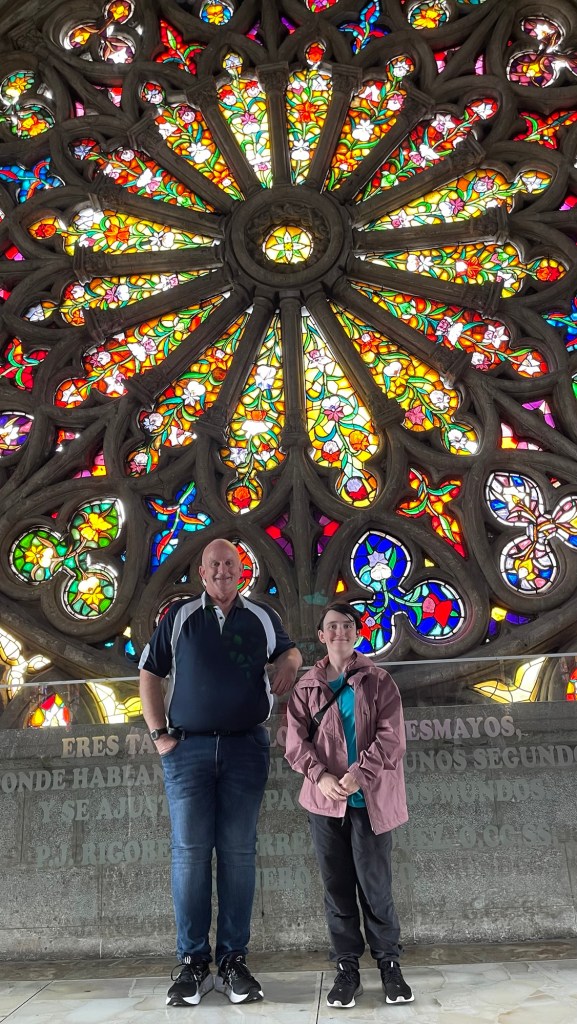
I found Quito is a capital city with many treasures to experience. The many basilicas being the standard out but chocolate tastings, and the beautiful streets are not to be missed either.
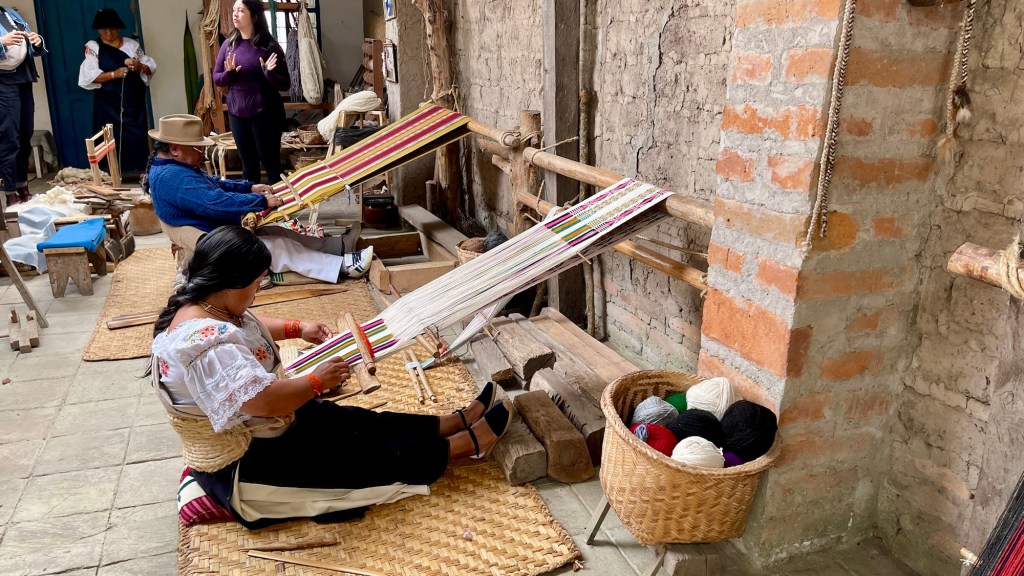
In the regions outside the capital, I got to see traditional weaving methods and trying local food and drinks including bizcoho and agave nectar.
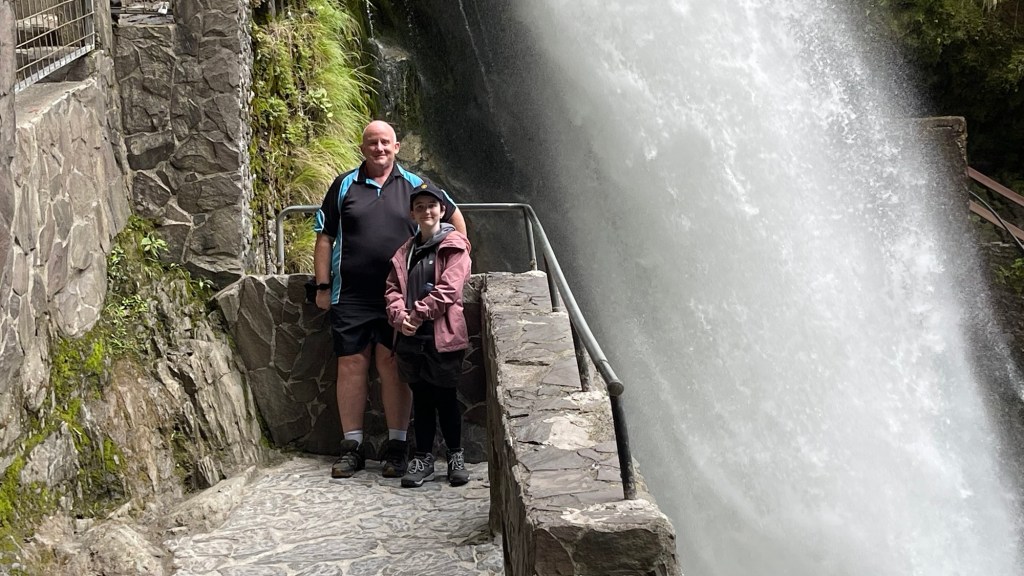
The landscape as I moved into the mountain region was remarkable. The waterfalls were breathtaking, the hot springs of Papallacta and the rushing water at Pailón del Diablo were spectacular.
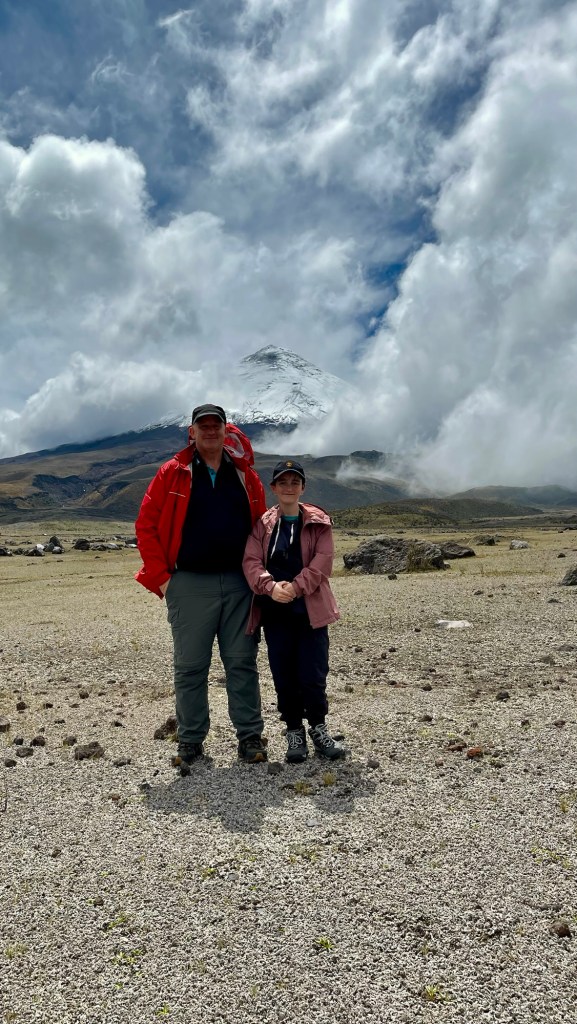
The Cotopaxi Volcano and the surrounding areas were astonishing as was seeing a rare condor. Having hummingbirds eating out of my hand had me smiling as they tickled me.
Exploring the edge of the Amazon Forest highlighted how mighty nature can be. I tried to unsuccessfully walk on the equator with my eyes closed as I learnt about the different proprieties unique to the equator region.
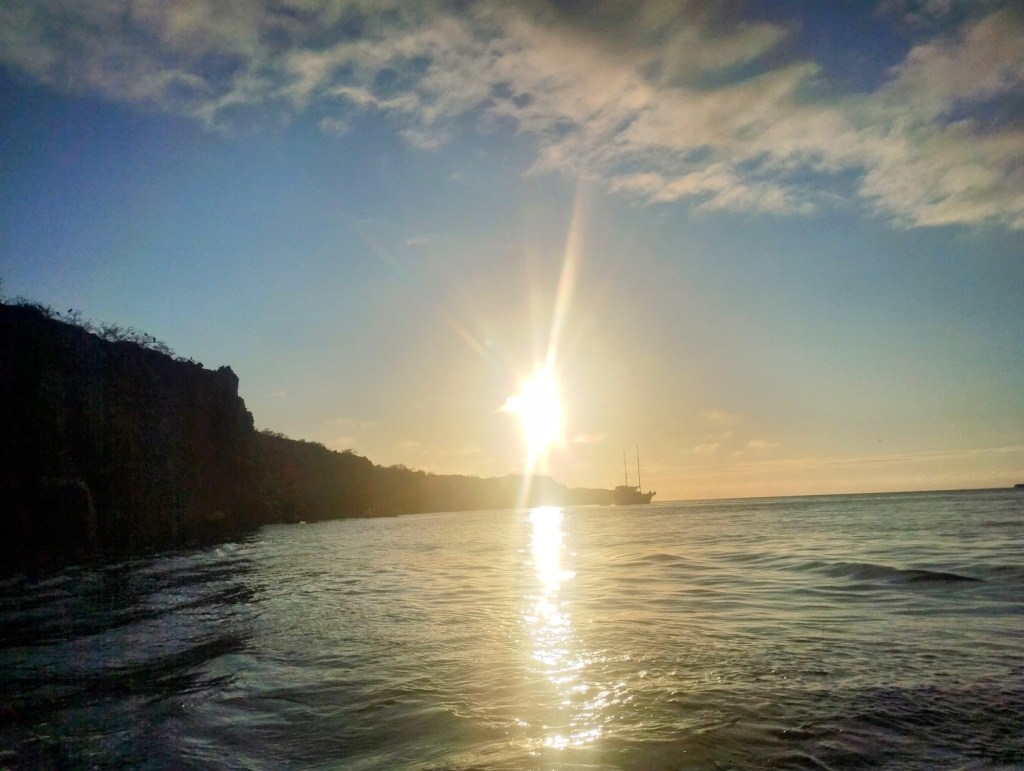
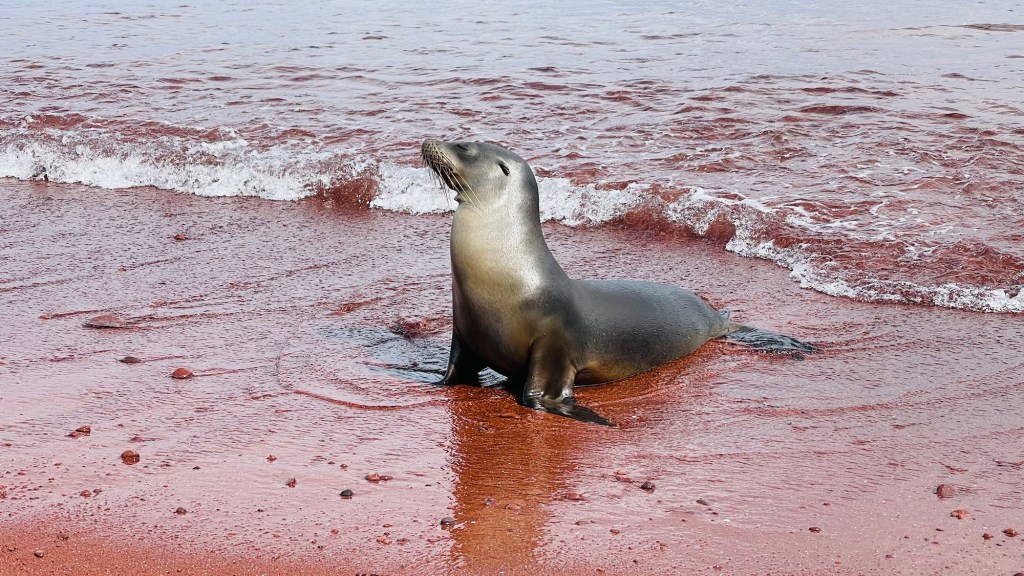
However as good as the Ecuador mainland was Galapagos Islands was something else altogether. For 8 days I got to experience this remote region with unique wildlife and landscapes. I had sea lions swimming and playing around me as I snorkelled. I got to see the only wild penguins who live (just) north of the equator. I managed to kayak and not fall into the water (a major personal success). I got over my fear of swimming near sharks. I was dazzled by orcas. I loved sunrise and sunsets over the ocean and the different unique islands of the Galapagos.
I was so lucky to experience this with my niece whose enthusiasm and wonder made me feel young and alive. In the end I felt enriched by all of Ecuador. It’s a different place to get to from Australia, and Galapagos Islands is experience to experience, but it is definitely worth it if you can afford the time and money to make it happen.
 Nathan's Insights
Leave a comment