

Official Name: Saint Lucia
Established: 22 February 1979 ( Independence from the United Kingdom)
Population: 178,696 (2018 estimate)
Country Size: 617 square kms
Religion: 90.3% Christian, 5.9% No Religion, 1.9% Rastafari
Language: English
Currency: Eastern Caribbean dollar (XCD)
Capital: Castries
Order of Visit: Eighty Eighth
First Visit: 31 December 2024
Last Visit: 31 December 2024
Duration: 1 Day
Highlights: Exploring the island’s dramatic coastline on a catamaran, swim in the Caribbean Sea at Anse Mamin, 4×4 safari Jeep excursion, visit Margot Bay, visiting a traditional fishing village
Cities: Castries
Saint Lucia Journal Entry
Published 28 October 2024 | Updated 18 March 2025
Location and Geography
Saint Lucia is an island in the Eastern Caribbean and is northeast of Saint Vincent, northwest of Barbados and south of Martinique. As a volcanic island Saint Lucia is very mountainous, with its highest point being Mount Gimie, at 950 metres above sea level.
The local climate is tropical. There is a dry season from December to May, and a wet season from June to November.
Note: Saint Lucia is the only country in the world to be named after a woman, Saint Lucy.
History and Culture
The first known inhabitants of the island, the Arawaks, are believed to have first settled in AD 200–400. Around 800 AD, the island would be taken over by the Kalinago.
England tried to settle the island again 1638, but the locals (the Caribs) resisted. Eventually, the French successfully claimed the island in 1650 and they signed a treaty with the Caribs in 1660.
England took control of the island in 1663. In ensuing years, England and France fought 14 times for control of the island, and the rule of the island changed frequently. Eventually, the British took full control in 1814 with the defeat of French Emperor Napoleon. A slave-based sugar industry developed during this time.
The institution of slavery was abolished on the island in 1834, as it was throughout the British Empire. After abolition, all former slaves had to serve a four-year “apprenticeship”, to accustom them to the idea of freedom. During that period, they worked for their former masters for at least three-quarters of the work week. Full freedom was duly granted by the British in 1838. By that time, people of African ethnicity greatly outnumbered those of ethnic European background. People of Carib descent also comprised a minority on the island.
Representative government was introduced in 1924 with universal suffrage being established in 1951. From 1958 to 1962, the island was a member of the West Indies Federation. On 22 February 1979, Saint Lucia became an independent state, while remaining as a Commonwealth realm.
What has drawn me to visit Saint Lucia?
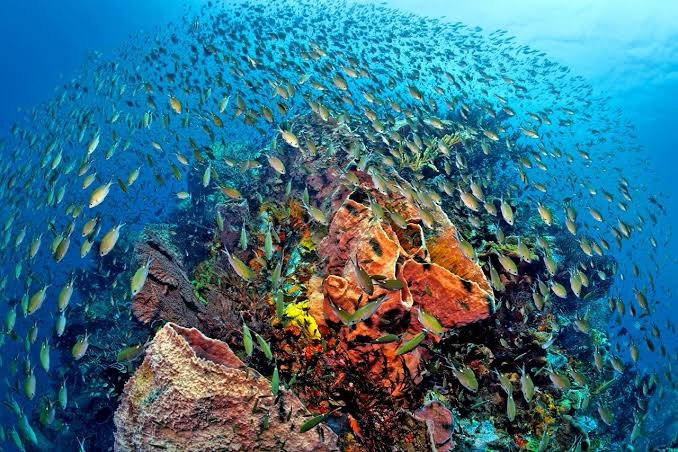
My focus on Saint Lucia is exploring to island and rainforests in a 4×4 jeep, exploring the beaches and experiencing sea life. This will be another chance to swim and snorkel in the Caribbean. I’m hoping to see some traditional fishing as well.

What I experienced in Saint Lucia
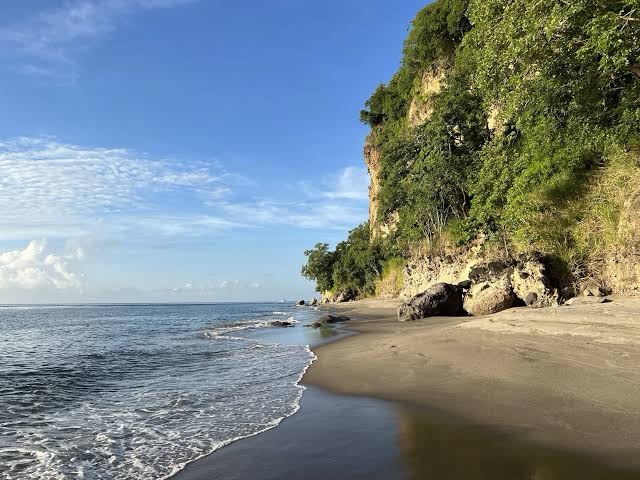
The visit to Saint Lucia was one of the best Caribbean experiences I had. This started with an enjoyable exploration of the islands coast on a catamaran. Then came a chance to swim in the Caribbean Sea, the invigorating warm waters as a swam and floated provided me with great calm. Walking on the sand and listening to the joy of the swimmers along with the locals selling their wares from canoes this felt like a little patch of paradise.
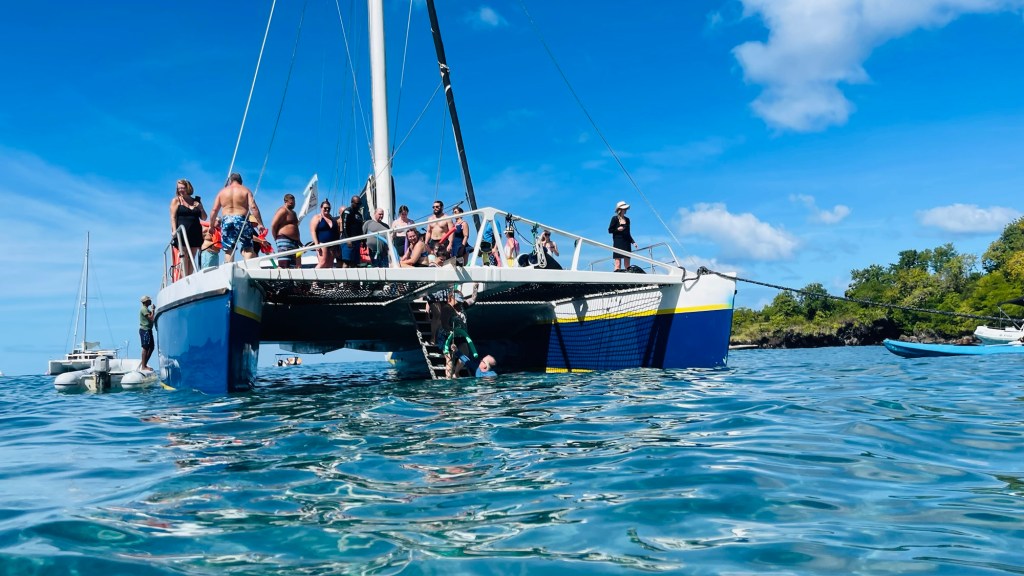
After an enjoyable lunch while cruising further around the coastline we switched to exploring the island by 4×4 Jeeps.
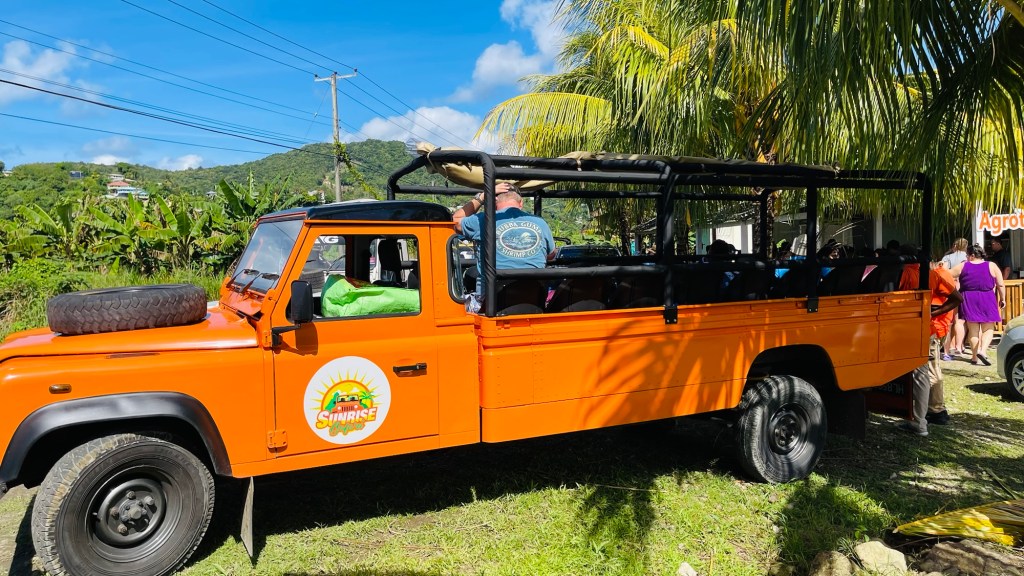
It was at this point I felt the humidity and appreciated the provide cold drinks. This road trip took me though rain forests, and banana plantations. We stopped at Margot Bay and a traditional fishing village. Here I got to interact with some locals, mostly vendors, but I also watched locals go about they everyday life.
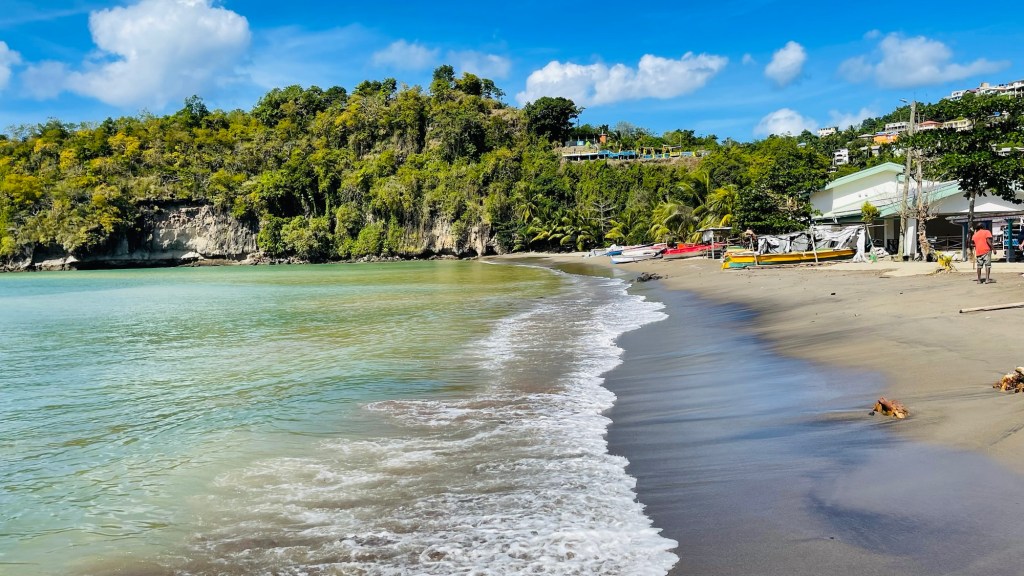
Life appeared to be quite tranquil amongst the beauty of this island paradise.
 Nathan's Insights
Leave a comment