

Official Name: Commonwealth of Australia
Established: 01 January 1901 (Federation), 26 January 1788 (United Kingdom established colony)
Population: 27,361,50 (2024 estimate)
Country Size: 7,688,287 square kms
Religion: 43.9% Christianity, 38.9% no religion, 3.2% Islam, 2.7% Hinduism, 2.4% Buddhism
Language: English
Currency: Australian Dollar
Capital: Canberra
Visited States/Territories: Victoria (VIC), Tasmania (TAS), New South Wales (NSW), Queensland (QLD), South Australia (SA), Western Australia (WA), Australian Capital Territory (ACT), Northern Territory (NT)
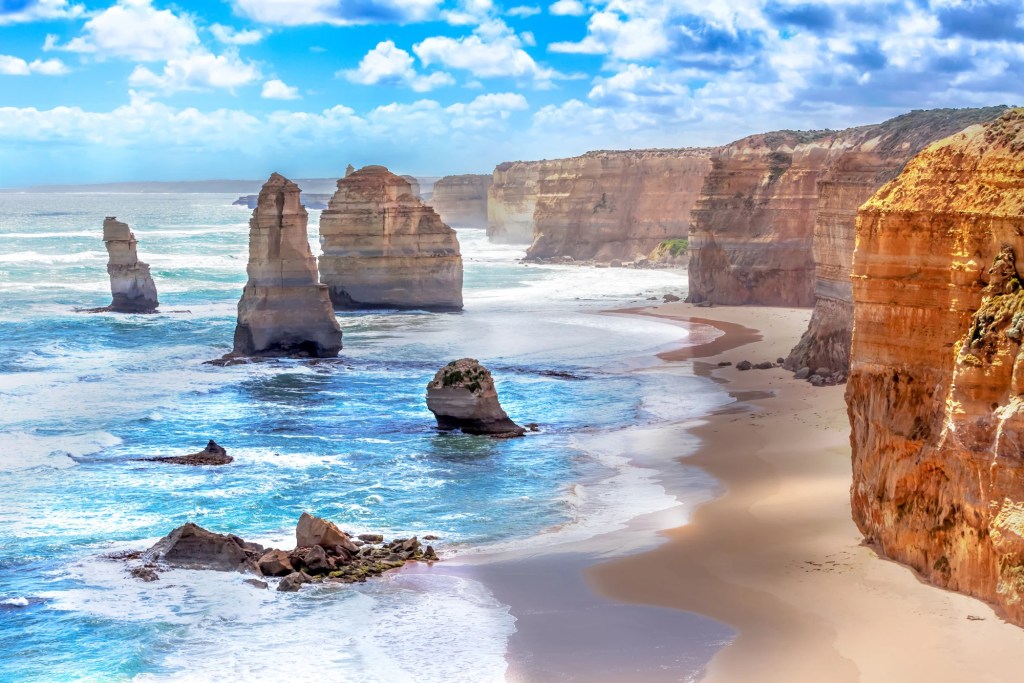
Selected Highlights: Wine and Chocolate tastings Margaret River (WA), Attending first night Test Match Adelaide Oval (SA), cycling on the Great Ocean Road for a week (VIC), Visiting the Federal Parliament House and the Prime Minister’s office (ACT), Diving and swimming around the Great Barrier Reef from Cairns (QLD), Exploring Historic Rocks Area Sydney (NSW), Visiting Sydney Opera House (NSW), exploring the outback (NT), watching the sunset at Cable Beach, Broome (WA), visiting the underground town of Coober Pedy (SA), hiking in Alpine National Park – Gippsland (VIC), 15+ years visiting country town of Myrtleford for Easter Tennis Tournament (VIC), hiking the stunning Cradle Mountain (TAS), hiking Freycinet National Park to reach majestic and remote Wineglass Bay (TAS), exploring Port Arthur historical site of penal colony from 1830 (TAS), enjoying the sun on Gold Coast beaches (QLD), Enjoying natural around the ground at the Tahune Forest air walk (TAS), taking the 2979 kilometres 3 day rail trip on the Ghan through Central Australia from Darwin to Adelaide (NT & SA), visited and explored Uluru-Kata Tjuta National Park including watching the sun rise and set over Ayers Rock (NT), Epic helicopter experience over Katherine Gorge (NT), sunrise flight over Lake Argyle and Bungle Bungle (WA)
First Written 23 August 2024
Note: This entry is to help me recall the first country I ever explore, my own country. For the most part I didn’t keep journals of my travels around Australia but I wish I did and I will from now on.
Location and Geography
Surrounded by the Indian and Pacific oceans Australia is comprised of a mainland (the Australian continent), the island of Tasmania, and smaller islands. It is the largest country by area in Oceania and the world’s sixth-largest country. Australia is the oldest, flattest, and driest inhabited continent, with the least fertile soils.
The closest countries are Indonesia, East Timor, and Papua New Guinea to the north, the Solomon Islands, Vanuatu, and New Caledonia to the north-east, and New Zealand to the south-east.

As both a country and a continent Australia has 6 time zones with three main ones: Australian Eastern Standard Time (AEST), Australian Central Standard Time (ACST), Australian Western Standard Time (AWST). Some states also have daylight saving time zones for 6 months of the year (October to April). Most of the population operate on AEST zone covering Tasmania, Victoria, ACT, NSW, and Queensland. South Australia is 30 minutes behind (ACST) and Western Australia is 2 hours behind (AWST) compared to AEST. When daylight saving time zones are in effect in Tasmania, Victoria, ACT, and NSW there is a 3 hour time difference with Western Australia.
Climate
Australia is a huge area at 7,688,287 square kms, and it has seven distinct climate regions: equatorial, tropical savanna, humid subtropical, Mediterranean, hot desert, semiarid and oceanic climates. The very centre of Australia is extremely hot and dry with a desert climate.

The highest temperature ever recorded in Australia is 50.7 °C (123.3 °F) recorded twice, on 2 January 1960 at Oodnadatta, South Australia, and 13 January 2022 at Onslow, Western Australia. As a rule, the more south you go the temperature gets colder, with capital of Hobart only experience a few days over 30 °C each year. Most of greenery in Australia is on the coasts with deserts and warmer temperatures occurring the further away you get from the coast. As a result, majority of the population lives within one hour drive of the coast.
It does however snow in New South Wales, Tasmania, South Australia, and Victoria even if this is mostly in small areas at higher altitudes. I experienced snow directly while hiking Cradle Mountain in Tasmania.
History and Culture
The ancestors of Aboriginal Australians began arriving from south-east Asia 50,000 to 65,000 years ago. They settled on the continent and formed approximately 250 distinct language groups by the time of European settlement, maintaining some of the longest known continuing artistic and religious traditions in the world.
The first significant European exploration of the coastline occurred in the 17th-century by the Dutch. British colonisation began in 1788 with the establishment of the penal colony of New South Wales. By the mid-19th century, most of the continent had been explored by European settlers and five additional self-governing British colonies were established, each gaining responsible government by 1890.
From 1886, Australian colonial governments began introducing policies resulting in the removal of many Aboriginal children from their families and communities. The Second Boer War (1899–1902) marked the largest overseas deployment of Australia’s colonial forces. The colonies federated in 1901, forming the Commonwealth of Australia. The Australian Capital Territory was formed in 1911 as the location for the future federal capital of Canberra. While it was being constructed, Melbourne served as the temporary capital from 1901 to 1927.
In 1914, Australia joined the Allies in fighting the First World War and took part in many of the major battles fought on the Western Front. From the 416,000 who served, about 60,000 were killed and another 152,000 were wounded. Many Australians regard the defeat of the Australian and New Zealand Army Corps (ANZAC) at Gallipoli in 1915 as the “baptism of fire” that forged the new nation’s identity. I visited this region in Türkiye in 2023, many consider it a must do for Australians.
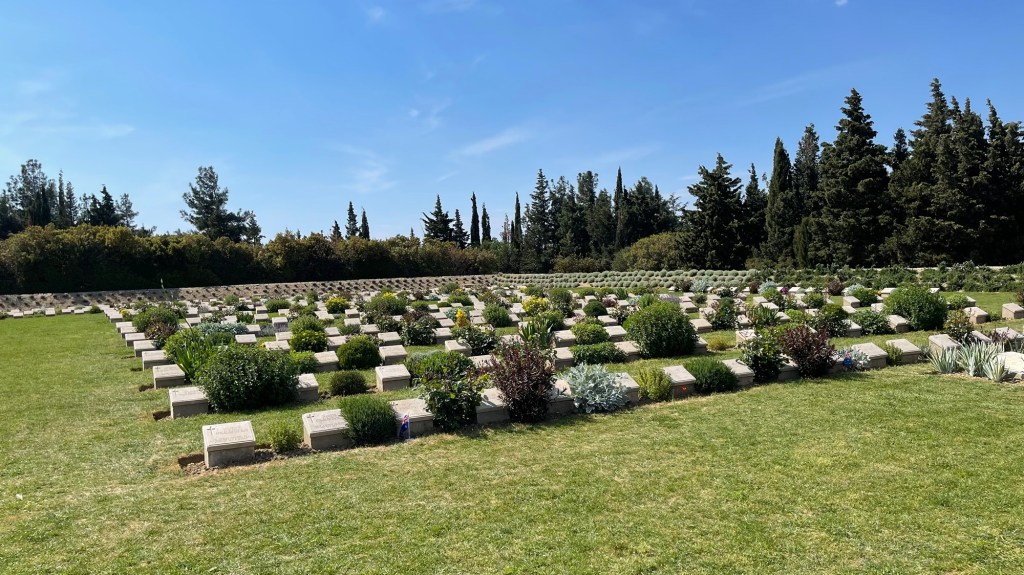
ANZAC day is celebrated on 25 April each year, and many consider it the most important public holiday in Australia as citizens reflect on mateship and loss starting with that campaign but including all future Australia armed deployments since.
Australia was one of the founding members of the League of Nations in 1920, and subsequently of the United Nations in 1945.
From 1939 to 1945, Australia joined the Allies in fighting the Second World War. Australia’s armed forces fought in the Pacific, European and Mediterranean and Middle East theatres. The shock of Britain’s defeat in Singapore in 1942, followed soon after by the bombing of Darwin and other Japanese attacks on Australian soil, led to a widespread belief in Australia that a Japanese invasion was imminent, and a shift from the United Kingdom to the United States as Australia’s principal ally and security partner. Since 1951, Australia has been allied with the United States under the ANZUS treaty.
Australia slowly gained autonomy from the United Kingdom from the 1940s to the 1980s with the Australia Acts of 1986 one passed by the Parliament of Australia, the other passed by the Parliament of the United Kingdom. These Acts removed the ability of the United Kingdom to legislate with effect in Australia and removed the ability to use UK Court Appeal options from Australia Court decisions.
Australia is a federal parliamentary constitutional monarchy comprising six states and ten territories. The monarch is whoever is the monarch of the United Kingdom and is represented by an appointed Governor General. The Governor General is appointed on the advice of the Prime Minister of Australia and is supposed to have limited practical power, but the Governor General still has real power if he/she wished to use it including sacking the elected Government, refusing to approve legislation, and being in charge of the Armed Services. In practise the role is normally ceremonial but on 11 November 1975, the then Governor-General Sir John Kerr terminated Gough Whitlam’s appointment as Prime Minister of Australia.
My Experiences in Australia
Being born in Australia, near the city of Melbourne, the capital of the State of Victoria, means Australia was the first country I experienced. While I had been overseas several times before I was 26, I did explore a lot of my country before my first major overseas trip in 1999-2000. I wanted to understand my country better and I’ve tried to visit a lot of this massive and diverse continent as I can.

I’ve visited and explored all the capitals, I’ve done multi week road trips, I’ve done day trips. I’ve explored the vast coastlines and I’ve been to the hot centre multiple times. I’ll never forget the light and colours displayed during the sunrise and sunset at Uluru (Ayers Rock).

Most of my Australia travels were before I kept journals, and even when I did start travel journals I didn’t really to this for Australian trips which I now regret. During COVID lockdowns going back though my travel journals gave be a lot of joy and inspiration. I would have liked to have the inspiration from my previous Australian journeys. I did thankfully give a journal during my 16 day 2022 Outlook Adventure.
Australia is a vast country and continent so there are big local differences in culture. My state used to be known as the Garden State, but these days is known more for its sporting culture (we have two public holidays relating to sport), café culture, and arts culture. The biggest state of New South Wales (NSW) is known for being the international gateway to the world with the home of Australian airline Qantas. NSW also has major icons like the Sydney Harbour Bridge, Sydney Opera House, and Bondi Beach all of which are incredible.

Queensland is known for its sunshine, beaches, and more laidback manner. Here you can see a wonder of the world, the Great Barrier Reef, I recall swimming between a turtle underwater for 10 minutes and feeling so relaxed. Queensland is so vast that Far North Queensland (FNQ) is like another world with high humidity and very different lifestyle.

Tasmania is separated from the mainland and has a result is also different, its population is older, wildlife is everywhere, and the forests are massive.

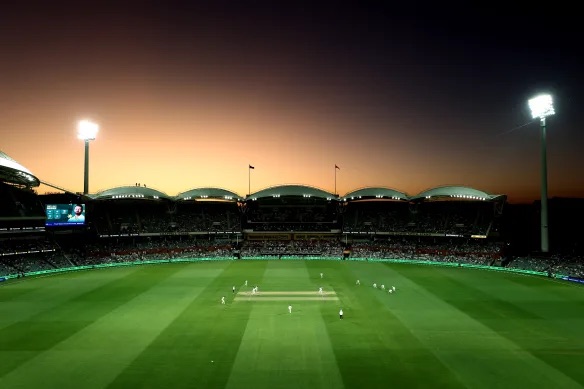
South Australia is the only State that never have convicts sent from United Kingdom. It is the most planned city and has many churches. The winery and Adelaide Hill areas are just a delight plus Adelaide Oval is great to watch cricket under lights.
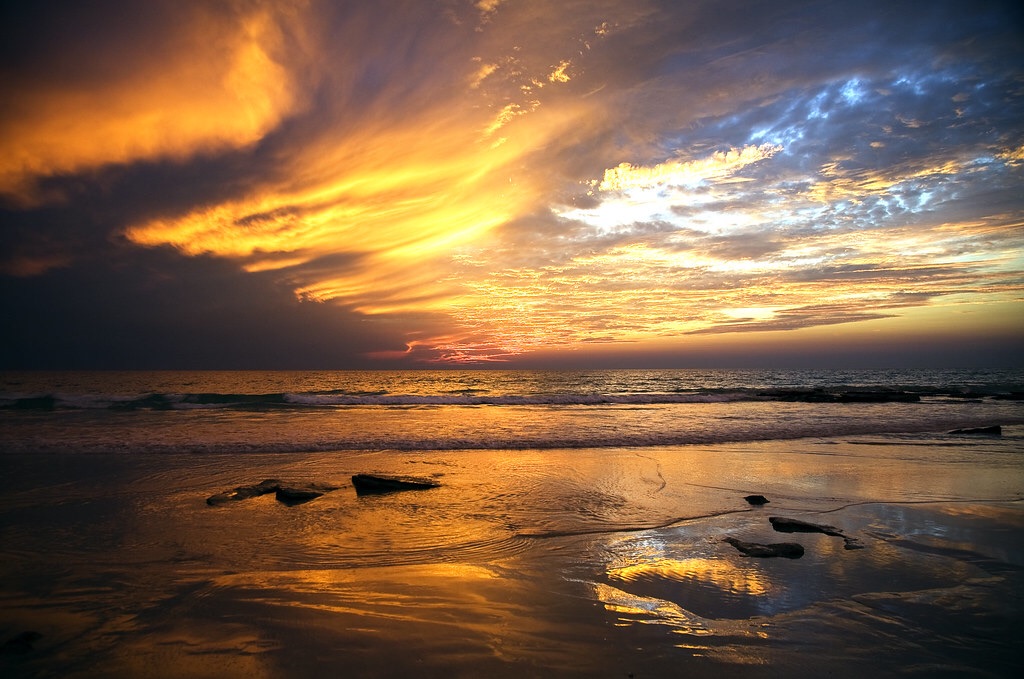
Western Australia (WA) is extraordinary remote. There is a fierce WA pride and self-resilience. At times WA locals have consider becoming their own country but this isn’t serious consideration (for the most part). The warmer temperatures mean beautiful beaches and great sea food. I did a trip in remote northern Western Australia and the landscape is like nothing I have seen anywhere else in the world. Indigenous peoples are more obvious in this remote part of WA and their artwork and deep culture developed over 50,000 years is easy to find.
In the Northern Territory I found vasty different Australians. I recall visiting Darwin in a professional capacity and meeting with partner in a major international accounting firm. I had a shirt and tie, they wore business shorts (never knew there was a thing called business shorts) with very causal business shirts (no ties). When we finished our meeting, they asked me to go to a pub for drinks. Later that night I was to a presentation to lawyers and accountants and after about 10 minutes an audience member asked me to just tell them straight what they had to do so we can go get some drinks and chat. An incredible different approach in a professional environment. You can imagine how laid back the casual environment was!

There is still so much of Australia I want to explore. I’d like to do more exploring of remote areas of the Northern Territory, the harsh landscape has so much beauty to it. Far North Queensland, in particular the area between Cairns and Cape York, has also always fascinated me. To but so far away from fast paced Melbourne with life and nature go existing is something I want to experience in this remote region.
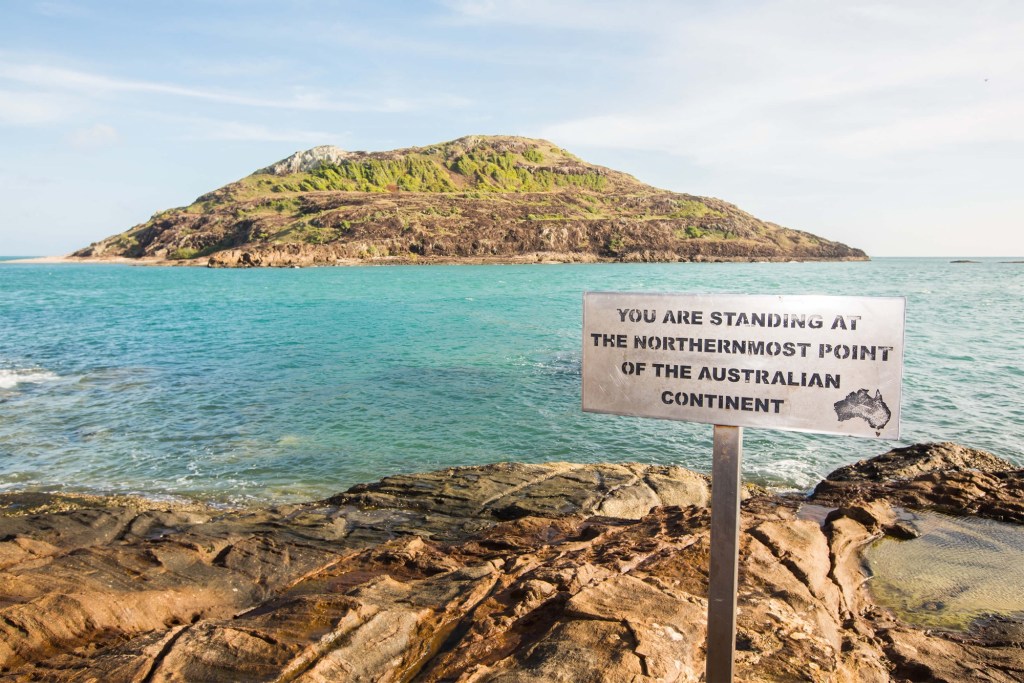
It was always my plan that I’d explore Australia a bit before travelling the world, then do extensive world travel, and then go back to more travel in Australia has I get older and especially once I retire. I’m glad I have seen so much of Australia already but in reality; I’ve seen on a ting faction of the vast and beauty land.
 Nathan's Insights
Leave a comment