

Official Name: Republic of Singapore
Established: Self-governance 3 June 1959 / Proclamation of Singapore 9 August 1965
Population: 5,917,600 (2023 estimate)
Country Size: 735 square kms
Religion: 31.1% Buddhism, 20.0% no religion, 18.9% Christianity, 15.6% Islam, 8.8% Taoism, 5.0% Hinduism
Language: English, Malay, Mandarin, Tamil
Currency: Singapore dollar
Capital: Singapore (City-State)
Order of Visit: Thirty-Seven
First Visit: 27 September 2012
Last Visit: 07 May 2024
Duration: 6 Days
Highlights: Sentosa Island, Singapore Zoo Night Safari, Jurong Bird Park, Universal Studios
Cities: Singapore
Singapore Journal Entries
Location and Geography
Singapore is an island country and city-state in maritime Southeast Asia covering 735 square kilometres. Singapore is located 137 kilometres north of the equator, off the southern tip of the Malay Peninsula.
Singapore borders the Strait of Malacca to the west, the Singapore Strait to the south along with the Riau Islands in Indonesia, the South China Sea to the east, and the Straits of Johor along with Malaysia to the north.
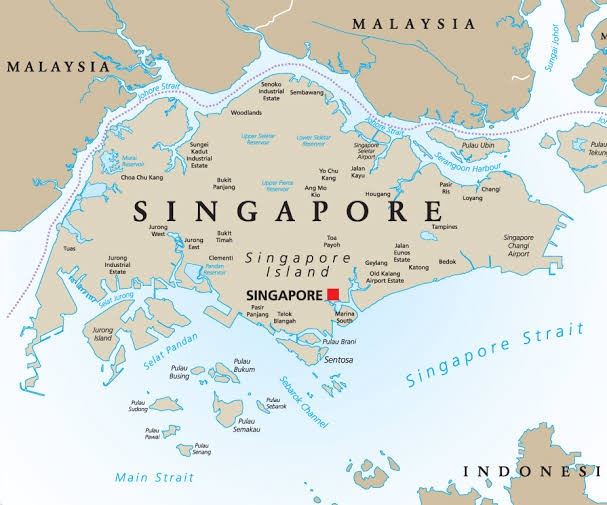
The country’s territory comprises one main island, 63 satellite islands and islets, and one outlying islet.
History and Culture
Singapore’s history dates back at least eight hundred years, having been a maritime emporium known as Temasek and subsequently a major constituent part of several successive Thalassocratic empires. Its contemporary era began in 1819, when Stamford Raffles established Singapore as a trading post of the British Empire.
In 1867, the colonies in Southeast Asia were reorganised, and Singapore came under the direct control of Britain.
During World War II, Singapore was occupied by Japan in 1942. British and Empire losses during the fighting for Singapore were heavy, with a total of nearly 85,000 personnel captured and 5,000 were killed or wounded of which Australians made up the majority. Singapore returned to British control as a separate Crown colony following Japan’s surrender in 1945. Singapore gained self-governance in 1959 and, in 1963, became part of the new federation of Malaysia, alongside Malaya, North Borneo, and Sarawak.
Singapore left the federation two years later becoming an independent sovereign country in 1965.
With its growth based on international trade and economic globalisation, it integrated itself with the world economy through free trade with minimal-to-no trade barriers or tariffs, export-oriented industrialisation, and the large accumulation of received foreign direct investments, foreign exchange reserves, and assets held by sovereign wealth funds.
As a highly developed country, it has one of the highest GDP per capita (PPP) in the world. Identified as a tax haven, Singapore is the only country in Asia with a AAA sovereign credit rating from all major rating agencies. It is a major aviation, financial, and maritime shipping hub.
Singapore is a unitary parliamentary republic in the Westminster tradition of unicameral parliamentary government, and its legal system is based on common law. The People’s Action Party (PAP) has governed the country continuously since full internal self-government was achieved in 1959.
What drew me to visit Singapore
While I knew about the Japanese takeover of Singapore during World War 2 and this part of history was fascinating, I didn’t have a strong reason to visit Singapore other than it is a natural stopping point when leaving Australia to visit Asia and Europe.
What I experienced
In 2012 I started a massive 4.5-month world tour in Singapore. This gave me a chance to explore this city-state. I found Singapore to be an incredibly safe and clean country. Given it’s small size and massive population density I was surprised of how many green places there were.
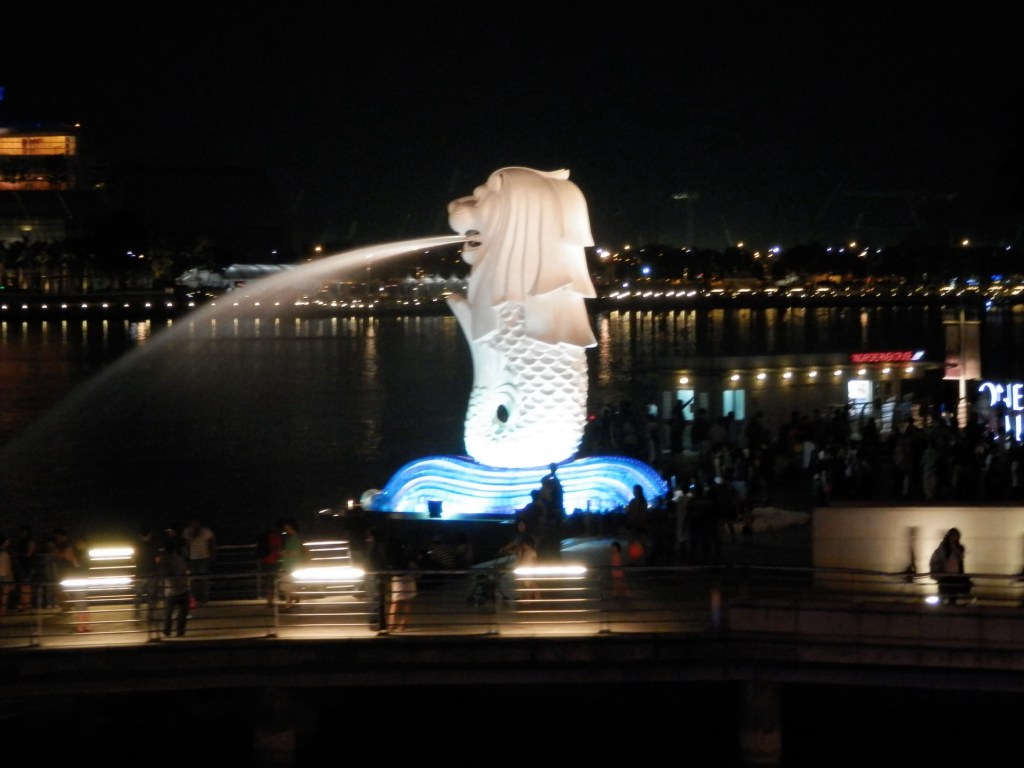
Sentosa Island was a very enjoyable place to visit which I did in both 2012 and later in 2024. The first visit allowed me to better understand the history of this country and its unusual mix of British, Malay and Chinese influence.
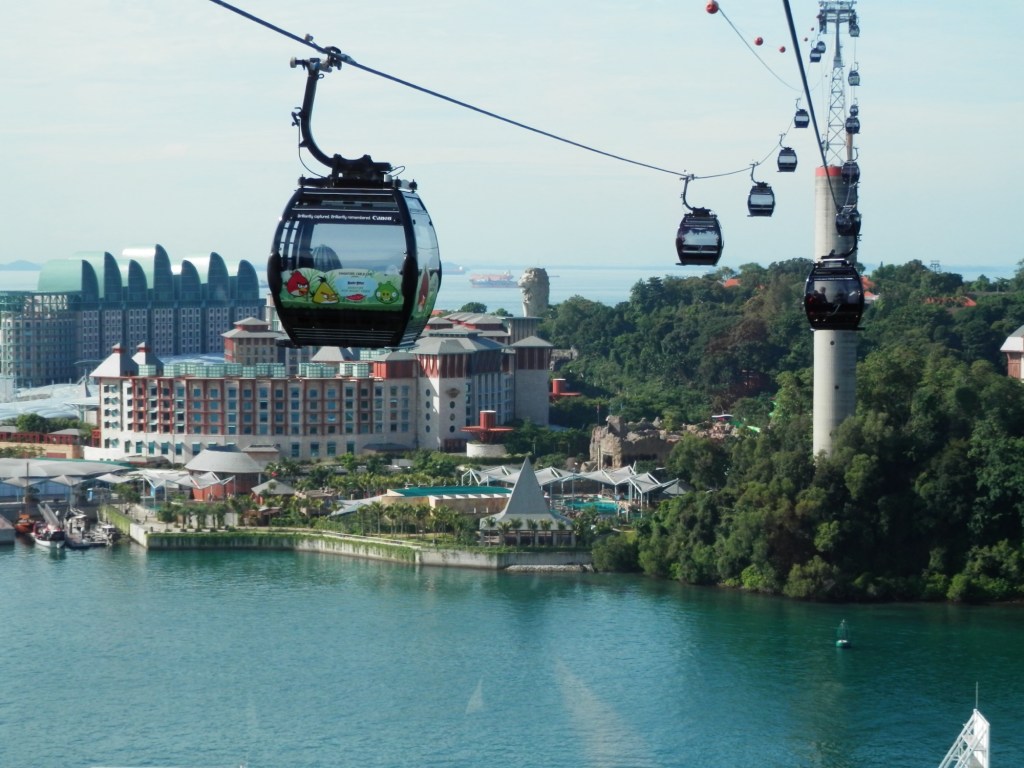
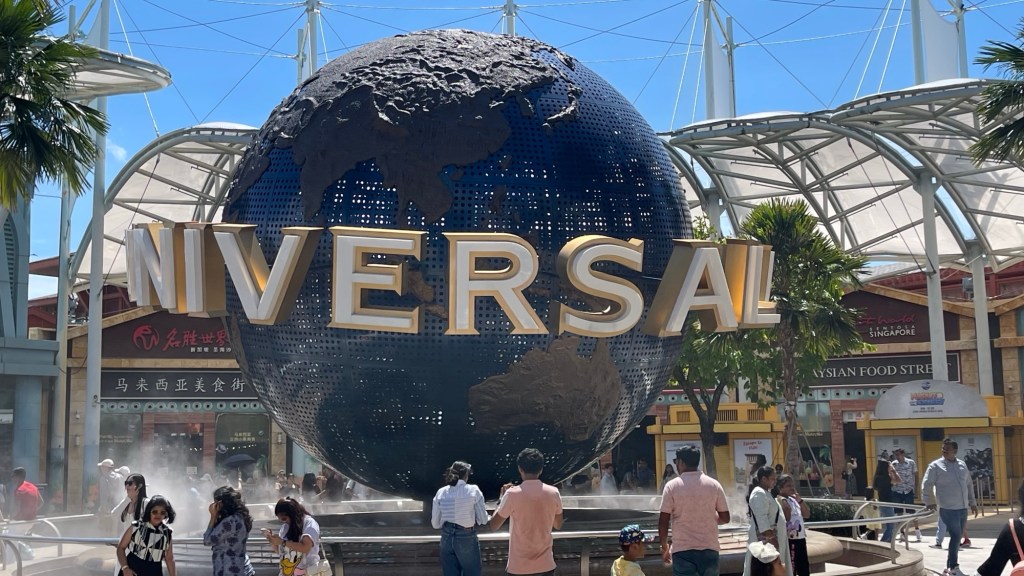
The city really lights up a night and, in many ways, it is designed for short term visitors. The Singapore Zoo Night Safari was a particular highlight (2012) as was visiting and enjoying Universal Studios (2024). A major downside is it gets very hot and humid, the worse weather for me, plus it is much more expensive than other closer Asian countries.
I’ve transited though Singapore many times, and I’m sure I will do so again many times. Changi Airport is a credit to the country; efficient, comfortable, with lots of shopping, entertainment, and food choices and best of all flights to almost everywhere in the world.

 Nathan's Insights
Leave a comment