
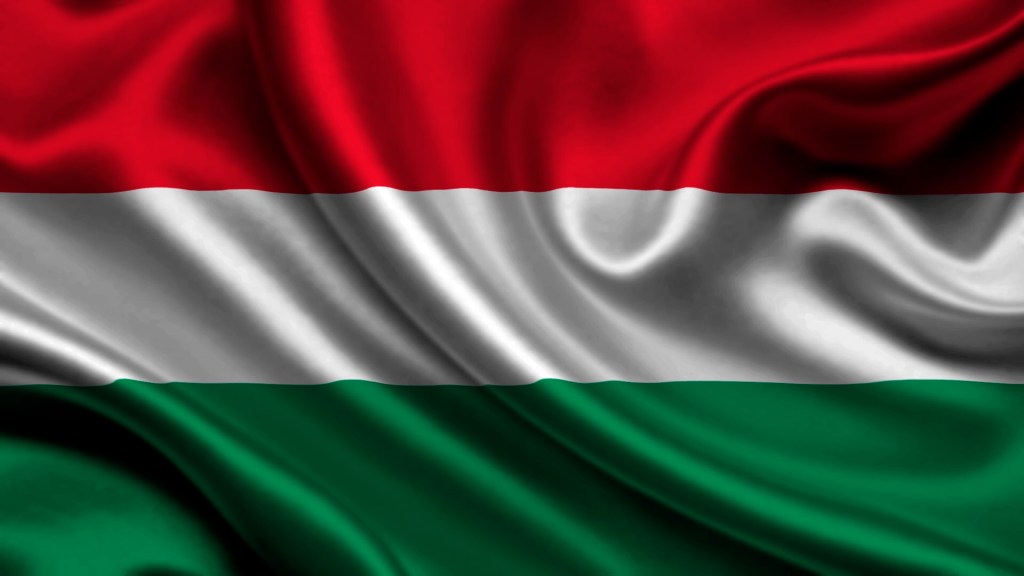
Official Name: Hungary
Established: 895 (Principality of Hungary)
Population: 9.6 million (2023 estimate)
Religion: 42.5% Christian, 16.1% no religion, 40.1% unknown
Language: Hungarian
Currency: Forint
Capital: Budapest
Order of Visit: Seventy ninth
First Visit: 18 April 2024
Last Visit: 21 April 2024
Duration: 4 Days
Highlights: Hungarian Parliament, St Stephen’s Basilica, USA President Statues, Buda Castle, Matthias Church, Fisherman’s Bastion, Great Market Hall, Chain Bridge, Gellert Hill Cave Church, Funky Ruin Bars
Places Visiting: Budapest
Hungary Journal Entries
Location and Geography
Hungary is a landlocked country in Central Europe covering 93,030 square kilometres. s bordered by Slovakia to the north, Ukraine to the northeast, Romania to the east and southeast, Serbia to the south, Croatia, and Slovenia to the southwest, and Austria to the west.

History and Culture
Prior to the foundation of the Hungarian state, various peoples settled in the territory of present-day Hungary, most notably the Celts, Romans, Huns, Germanic peoples, Avars and Slavs. The Principality of Hungary was established in the late 9th century. The medieval Kingdom of Hungary was a European power, reaching its height in the 14th-15th century.
After Hungary’s forces were defeated at the Battle of Mohács during the Ottoman War in 1541, for a period of roughly 150 years the country was divided into three parts: Royal Hungary loyal to the Habsburgs, Ottoman Hungary, and the largely independent Principality of Transylvania. The reunited Hungary came under Habsburg rule at the turn of the 18th century.
This led to the formation of the Austro-Hungarian Monarchy in 1867, which was a major power into the early 20th century. Austria-Hungary collapsed after World War I, and a subsequent treaty established Hungary’s current borders, resulting in the loss of 71% of its historical territory.
Hungary joined the Axis powers in World War II, suffering significant damage and casualties and eventually losing along with Germany. As a result, the Hungarian People’s Republic was established as a satellite state of the Soviet Union.
In 1989, concurrently with the Eastern Soviet Bloc Revolutions, Hungary peacefully transitioned into a democratic parliamentary republic, joining the European Union in 2004 and being part of the Schengen Area (free travel and trade bloc) since 2007.
Hungary is a high-income economy with universal health care and tuition-free secondary education and has an extensive history of significant contributions to arts, music, literature, sports, science, and technology. Hungary the Council of Europe, NATO, United Nations, World Health Organization, World Trade Organization,
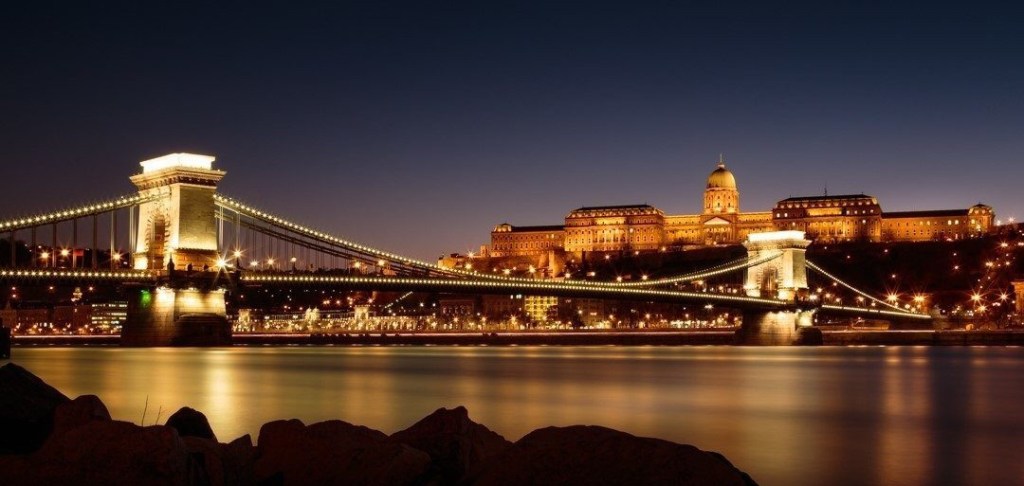
What drew me to visit Hungary
My research has highlighted that Hungary has an abundance and Romantic architecture, picture-postcard scenery, and vibrant cities. I understand Hungary has a very robust economy and understanding how this works after being under the Iron Curtain for so long is something I want to learn.
What I experienced
In Hungary I visited Budapest and was very impressed. I learnt a lot about the history of what was two separate cities, Buda and Pest, that become Budapest.
The now joined cities were separated by the Danube River. The Pest side has the amazing Hungarian Parliament, one of the most stunning legislative buildings I’ve ever viewed. St Stephen’s Basilica was stunning and very golden, a place for the masses to be impressed by the earthly glory of God’s house.

On the Buda side was the great Buda Castle and the Fisherman’s Bastion. Getting around Budapest was fairly simple using a combination of trams, trains and buses. The biggest issue was the very fast escalators to get down to the underground trains, you must be ready and aware.
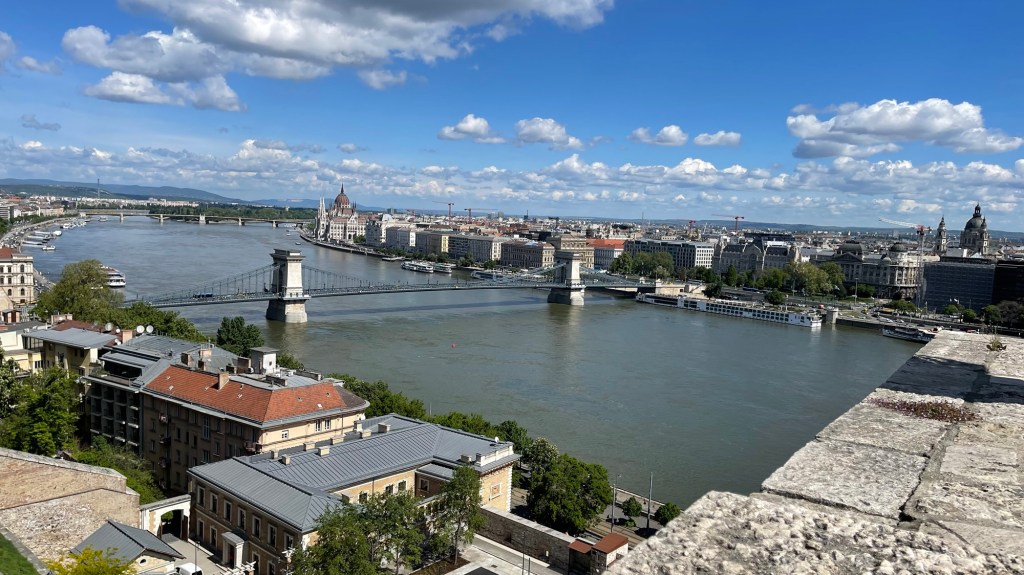
Doing a River Dinner Cruise on the Danube River was a great way to see both sides of Budapest looking there best.
I found Hungary still attempting to resolve issues from it’s recent history. The Memorial for the Victims of the German Occupation had dissenting material pointing out the Memorial dosen’t recognise the involvement of Hungarian citizens in the occupation.
Friendly locals, beautiful structures and nice local food. Budapest was a very enjoyable place to visit and a nice small way to understand Hungary.
 Nathan's Insights
Leave a comment