

Official Name: The Federal Republic of Germany
Established: 1871 (German Empire), West Germany and East Germany 1949, Reunification 1990
Population: 83,166,711 (2019 estimate)
Religion: 31.7% Protestants, 31.2% Roman Catholics
Language: German
Capital: Berlin
Order of Visit: Thirteenth
First Visit: 11 May 2006
Last Visit: 09 April 2024
Duration: 12 Days
Visit Highlights: Heidelberg Castle, Attending a World Cup Football Match (Munich), Fruenkirche Church, Glockenspiel Clock, Beer Gardens, Checkpoint Charlie, Berlin Wall, Hitlers Bunker, Bebelplatz (infamous book burning site), Reichstag Dome, Berlin Bomb Bunker
Places Visited: Berlin, Frankfurt, Heidelberg, Munich
German Journal Entries
History and Geography
Germany between the Baltic and North seas to the north, and the Alps to the south and is bordered by Denmark to the north, Poland and the Czech Republic to the east, Austria and Switzerland to the south, and France, Luxembourg, Belgium, and the Netherlands to the west as covers an area of 357,022 square kilometres (137,847 square miles).
Ancient humans were present in Germany at least 600,000 years ago. The Germanic tribes are thought to date from the Nordic Bronze Age. Under Augustus, Rome began to invade Germania. By 100 AD Germanic tribes had settled along the Rhine and the Danube, occupying most of modern Germany.
Charlemagne founded the Carolingian Empire in 800 which included modern day German lands. Under the Hohenstaufen emperors (1138–1254), German princes encouraged German settlement to the south and east. From the Cologne War through the Thirty Years’ Wars (1618–1648), religious conflict devastated German lands and significantly reduced the population.
From 1740, dualism between the Austrian Habsburg Monarchy and the Kingdom of Prussia dominated German history. France, Russia, Prussia and the Habsburgs (Austria) competed for hegemony in the German states during the Napoleonic Wars.
Following the fall of Napoleon, the Congress of Vienna founded the German Confederation, a loose league of 39 sovereign states. They appointed the Emperor of Austria as the permanent president. After the French defeat in the Franco-Prussian War, the German princes proclaimed the founding of the German Empire in 1871. Prussia was the dominant constituent state of the new empire; the King of Prussia ruled as its Kaiser, and Berlin became its capital.
Near the end of World War 1 during the German Revolution (November 1918), Emperor Wilhelm II and the ruling princes abdicated their positions and Germany was declared a federal republic. Germany’s new leadership signed the Treaty of Versailles in 1919, accepting defeat by the Allies. Germans perceived the treaty as humiliating.
The worldwide Great Depression hit Germany in 1929. Chancellor Heinrich Brüning’s government pursued a policy of fiscal austerity and deflation which caused unemployment of nearly 30% by 1932. The Nazi Party led by Adolf Hitler won a special election in 1932 and Hitler was appointed Chancellor of Germany on 30 January 1933.
The Enabling Act of 1933 gave Hitler unrestricted legislative power, overriding the constitution; his government established a centralised totalitarian state, withdrew from the League of Nations, and dramatically increased the country’s rearmament. In 1935, the regime withdrew from the Treaty of Versailles and introduced the Nuremberg Laws which targeted Jews and other minorities.
On 1 September 1939, Germany invaded Poland, beginning World War II in Europe; Britain and France declared war on Germany on 3 September 1939. Following Hitler’s suicide on 30 April 1945 during the Battle of Berlin, Germany surrendered on 8 May 1945, ending World War II in Europe. After World War II, Nazi officials were tried for war crimes at the Nuremberg trials.
After Nazi Germany surrendered, the Allies partitioned Berlin and Germany’s remaining territory into four occupation zones. The western sectors, controlled by France, the United Kingdom, and the United States, were merged on 23 May 1949 to form the Federal Republic of Germany; on 7 October 1949, the Soviet Zone became the German Democratic Republic.
With the fall of the Berlin Wall on 9 November 1989 German reunification officially occurred on 3 October 1990, with the accession of the five re-established states of the former German Democratic Republic. The fall of the Wall in 1989 became a symbol of the Fall of Communism, and the Dissolution of the Soviet Union.
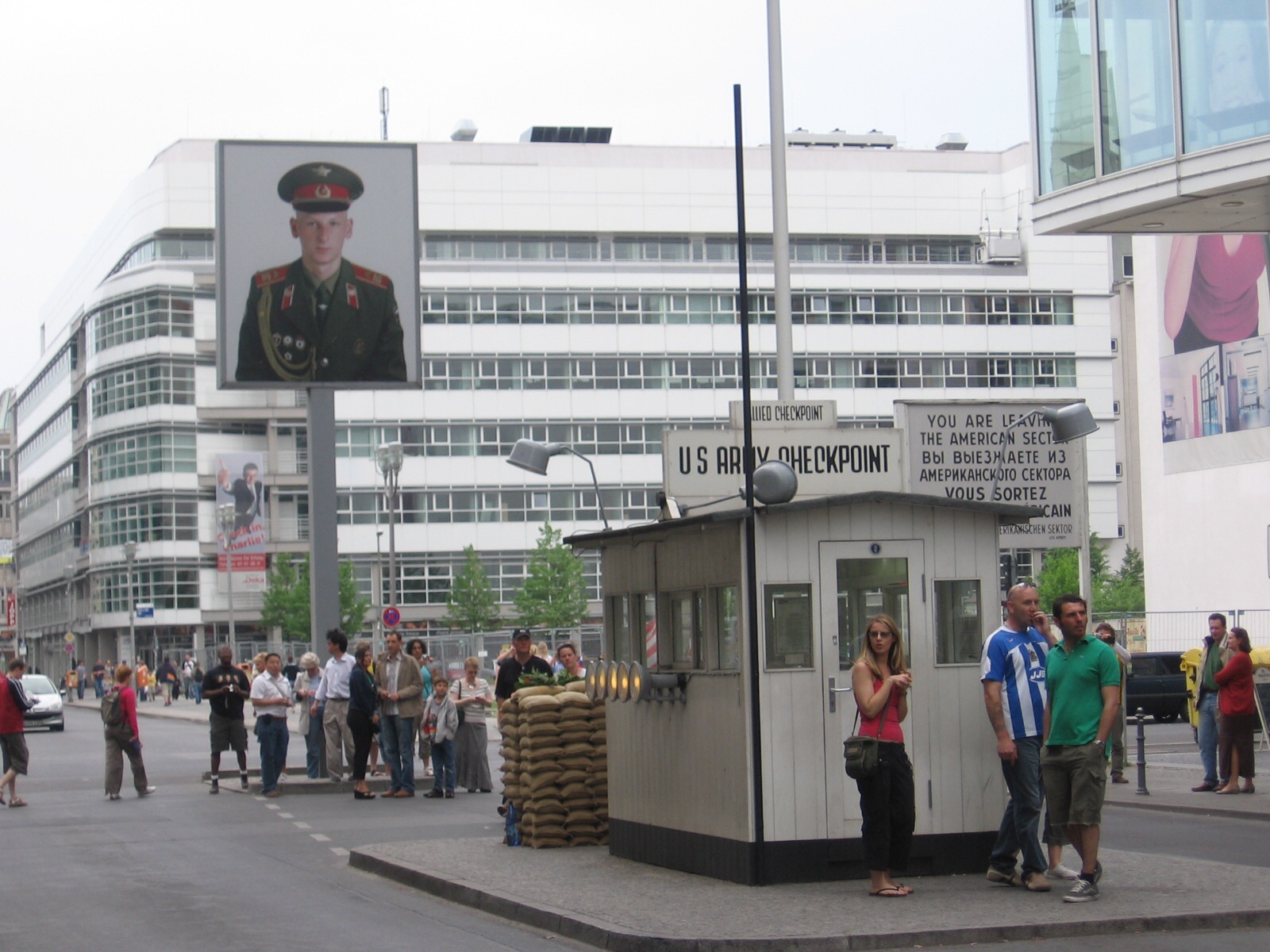
What I experienced
During my 2006 visit I have found Germany to be a modern, clean, efficient and open society. My 2006 visit was as a backpacker and during the celebration that was the 2006 Football World Cup. It was a happy time for Germany and the whole of Europe with much partying . Worth mention was the rail service which was exceptional, always on time and easy to use.
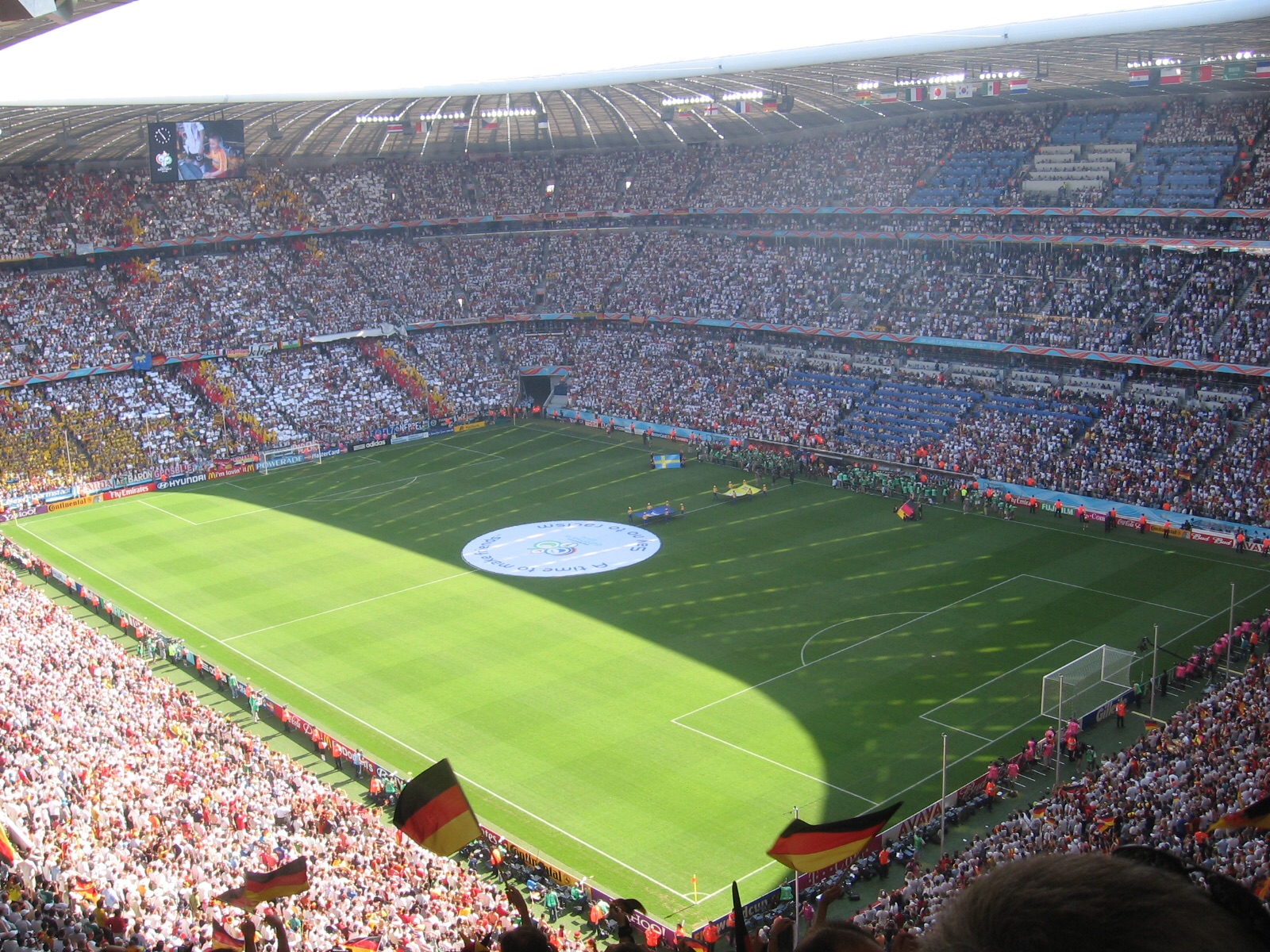
The Munich Beer Halls and the pub crawl I went on was very memorable, not least for being hang over without a headache the next day (due to the beer purity laws). Heidelberg was a very beautiful town. German churches, like most of Europe were magnificent. I watched people surfed in a park, I experience lots of green spaces.
Germany has a brutal recent history from 1910s onwards until the fall of the Berlin Wall and reunification. In many ways the current population attempts to make up for terrible crimes commitment during World War 2by taking a lead role in peace initiatives and in the European Union. There are strict rules restricting their Governments from having too much power over their citizen like excessive surveillance (this comes from Hitler Germany, and Communist East Germany experience).
Germany I feel is very good place to visit if you are fascinated with more modern history.
My more recent visit was to Berlin in April 2024. My trip this time was with a niece. I also managed to go on an unplanned side adventure to regional Germany when we didn’t get off at the right station and the next stop was 1.5 hours later on a high speed train. This did allow me to experience locals who helped me figure out how to get back to Berlin.
When back in Berlin I got to revisit some notable places including the Brandenburger Gate and the Memorial to the Murdered Jews. Seeing the Berlin Wall again I could see the developments and it and this time I got the perspective of someone born on the East Germany side.
A new experience was visiting the exploring a World War 2 civilian bunker that was housed in the Berlin Gesundburnnen Train Station. Imagining the conditions for people seeking protection from the Allied bombings sent a chill though me as I could see how dangerous life was. Seeing photos of Berlin in the 1950s, a decade after the war, and seeing destruction that looks like the bombings occurred a week before highlighted the struggles survivors faced for decades. Apparently the last WW2 bomb that kill individuals exploded in 1994.
<Updated: 15 May 2024>
 Nathan's Insights
Leave a comment